If you’re planning a trip to Australia, the Blue Mountains are a must-see destination. But have you ever wondered why they are called the Blue Mountains? In this article, we’ll explore the history and geology behind this stunning natural wonder.
Table of Contents
Origins of the Name
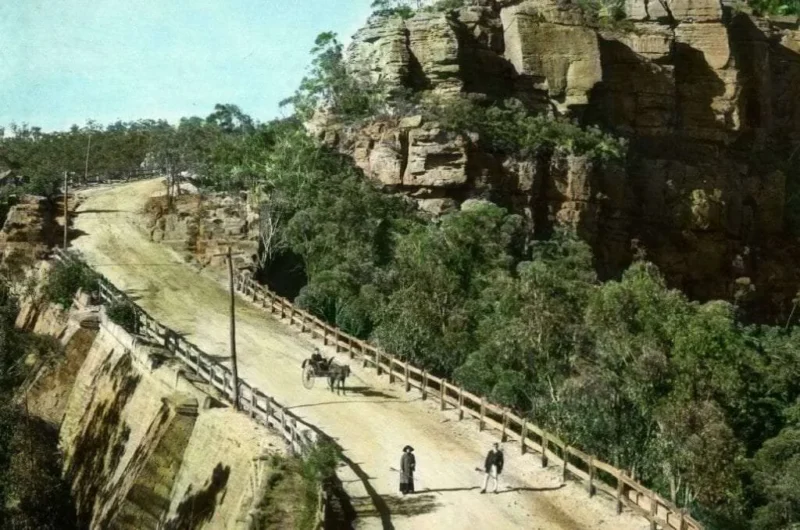
The Blue Mountains are located in New South Wales, Australia, and cover an area of over 11,000 square kilometers. The name “Blue Mountains” comes from the blue haze that often hangs over the region, caused by the release of oils from the eucalyptus trees that blanket the area. This haze gives the mountains a distinct blue color, especially when viewed from a distance.
Geology of the Blue Mountains
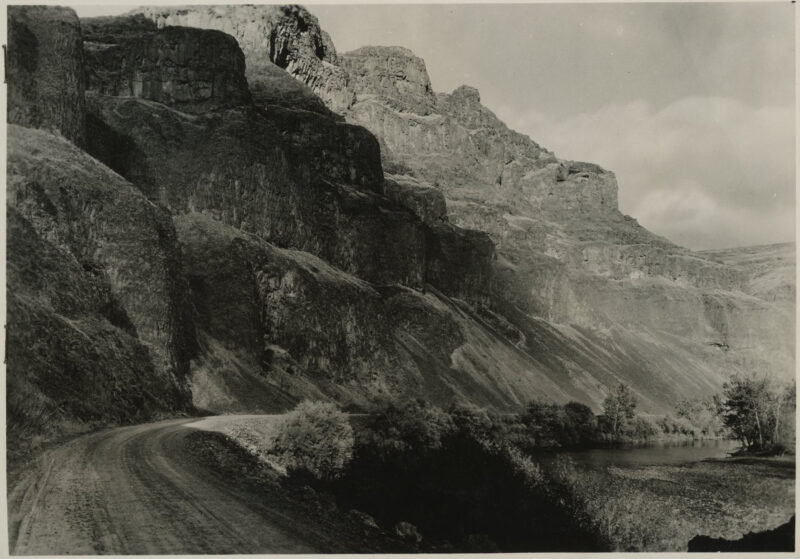
The Blue Mountains are part of the Great Dividing Range, a vast mountain range that runs along the eastern coast of Australia. The mountains themselves are made up of sandstone, which was formed over 200 million years ago during the Triassic period. The sandstone was then uplifted and eroded over time, creating the dramatic cliffs, valleys, and waterfalls that we see today.
Must-See Attractions

If you’re planning a trip to the Blue Mountains, there are several must-see attractions that you won’t want to miss. One of the most popular is the Three Sisters, a trio of towering sandstone peaks that rise over 900 meters above the Jamison Valley. Legend has it that the Three Sisters were turned to stone by a witch doctor to protect them from harm.
Another popular attraction is the Scenic World, which offers breathtaking views of the mountains from above. You can take a cable car or a railway to the top of the mountains and enjoy panoramic views of the surrounding landscape.
Conclusion
In conclusion, the Blue Mountains are a natural wonder that is not to be missed. Whether you’re interested in history, geology, or just stunning scenery, there is something for everyone in this beautiful region of Australia. So pack your bags and head to the Blue Mountains for an unforgettable adventure.