If you’re a wildlife enthusiast and planning a trip to Australia, you might be curious about the lifespan of an echidna. These fascinating creatures are one of the few mammals that lay eggs, and they are also one of the oldest surviving mammals in the world. In this article, we’ll explore the lifespan of an echidna and some interesting facts about these unique animals.
Table of Contents
The lifespan of an echidna
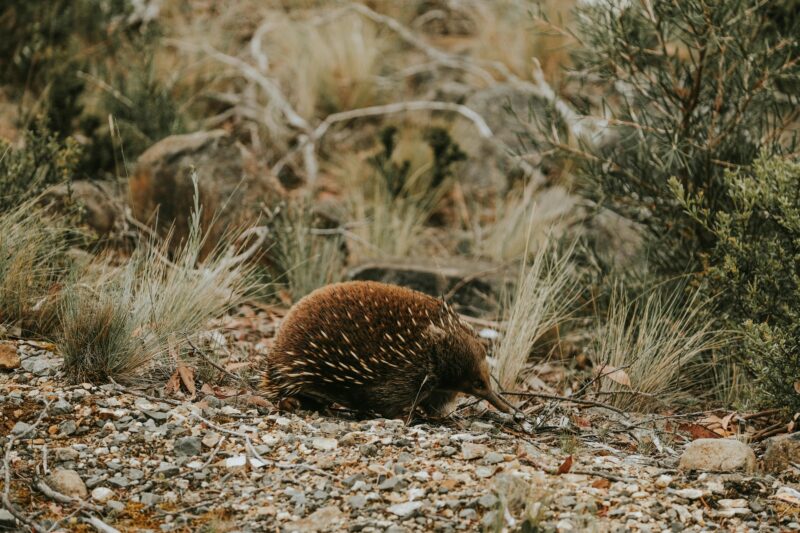
The lifespan of an echidna can vary depending on a variety of factors, including habitat, diet, and genetics. On average, echidnas can live up to 16-22 years in the wild, while those in captivity can live up to 50 years. However, the exact lifespan of an echidna is still unknown, and more research is needed to determine the factors that affect their longevity.
Interesting facts about echidnas

Echidnas are fascinating creatures that have been around for millions of years. Here are some interesting facts about echidnas that you might not know:
Echidnas are one of only two species of mammals that lay eggs, the other being the platypus.
Echidnas have a long, sticky tongue that they use to catch ants and termites, their primary food source.
Echidnas have spines on their back and sides, which help to protect them from predators.
Echidnas are excellent swimmers and can cross rivers and streams with ease.
Echidnas are listed as a protected species in Australia, and their habitat is protected by law.
Heritage listing NSW

If you’re interested in seeing echidnas in their natural habitat, you might want to consider visiting one of the many heritage-listed sites in New South Wales. These sites are home to a variety of native wildlife, including echidnas, and offer a unique opportunity to experience Australia’s natural beauty.
Some of the most popular heritage-listed sites in NSW include the Blue Mountains National Park, the Royal National Park, and the Jenolan Caves. These sites offer a range of activities, including hiking, camping, and wildlife watching, and are a must-visit for any nature lover.
Conclusion
In conclusion, the lifespan of an echidna can vary depending on a variety of factors, including habitat, diet, and genetics.