
Australia is home to a vast and diverse landscape, from its sprawling deserts to its lush rainforests. Among its many geographical features, one of the most intriguing is the ancient mountain known as Mount Augustus.
Located in the remote Outback region of Western Australia, Mount Augustus is often referred to as the largest monolith in the world. But what exactly is this mysterious mountain, and why is it considered such a significant landmark?
In this article, we will delve into the rich history and geological significance of Mount Augustus, exploring the myths and legends that surround this ancient natural wonder. From its towering peak to its rugged terrain, Mount Augustus has captured the imagination of explorers and scholars alike for centuries. Join us as we uncover the secrets of this enigmatic mountain and discover why it holds a special place in the hearts of Australians and visitors from around the world. Whether you are a seasoned hiker or simply a curious traveler, Mount Augustus offers a glimpse into Australia’s ancient past and a chance to connect with the natural beauty of this remarkable land.
The ancient mountain in Australia is known as Mount Warning. It is a volcanic plug, believed to be over 23 million years old, located in the Northern Rivers region of New South Wales. Indigenous Australians have great cultural significance attached to the mountain, calling it Wollumbin, meaning “Cloud Catcher” or “Fighter of Clouds”.
Its distinct shape is easily recognizable, and it holds spiritual importance for the Bundjalung people. Today, climbing to the summit of Mount Warning is still a popular activity for visitors, providing panoramic views of the surrounding landscapes.
Table of Contents
Exploring the Timeless Beauty of Australia’s Ancient Mountain: The MacDonnell Ranges
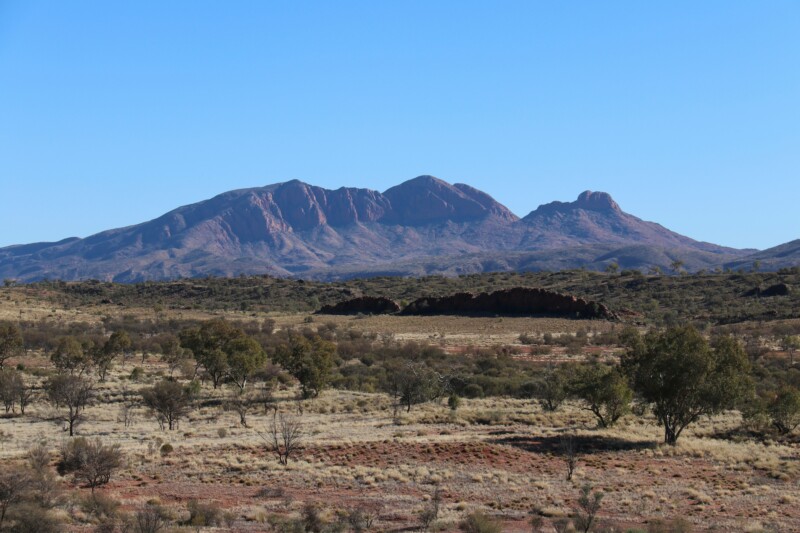
Hidden within the heart of Australia lies a geological wonder that captivates the senses and offers a glimpse into the country’s ancient past – the MacDonnell Ranges. Stretching for over 400 kilometers, these rugged mountains stand as a testament to millions of years of natural forces shaping the landscape.
The vibrant hues of red and ochre that paint the cliffs and gorges contrast against the piercing blue skies, creating a mesmerizing vista that has inspired artists and adventurers alike. The MacDonnell Ranges are not just a sight to behold; they are a living museum of geological history, showcasing the raw beauty and timeless allure of Australia’s ancient terrains.
The Geological Significance of the MacDonnell Ranges: Insights into Earth’s History
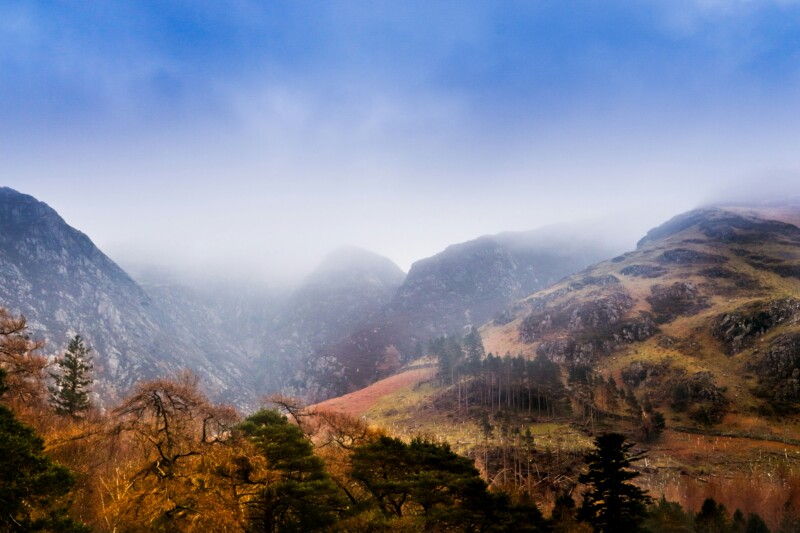
Positioned as a geological marvel in the heart of Australia, the MacDonnell Ranges offer a profound insight into the Earth’s history through their unique formations and mineral compositions. The intricate layers of rock that constitute these ranges provide a visual narrative of the continent’s geological evolution over millions of years.
Studying the stratigraphy and composition of these ranges unveils a rich tapestry of the Earth’s past, shedding light on ancient tectonic events, climatic changes, and the gradual shaping of the Australian continent. By delving into the geological significance of the MacDonnell Ranges, researchers and enthusiasts alike are granted a window into the intricate processes that have sculpted the planet’s surface and continue to influence its landscapes today.
Comparing the MacDonnell Ranges with Earth’s Oldest Mountains: A Geological Perspective

When comparing the MacDonnell Ranges with Earth’s oldest mountains, a compelling geological perspective emerges that highlights the intricate processes of tectonic activity and erosion that have shaped these ancient landforms over eons. While the MacDonnell Ranges showcase a relatively young geological history compared to Earth’s oldest mountains, they offer a diverse array of rock formations and mineral compositions that provide valuable insights into the continent’s geological past.
By studying these ranges in conjunction with Earth’s oldest mountains, scientists can gain a deeper understanding of the dynamic forces that have influenced the evolution of our planet’s surface and the complex interplay between geological processes and environmental conditions.