
Are you planning to take your Hazard Perception Test in NSW? If so, it’s essential to prepare yourself well to increase your chances of passing the test on your first try. The Hazard Perception Test is a critical part of the DVSA Theory Test, consisting of 14 video clips, each about one minute long. To pass the theory test, you must pass both sections, the multiple-choice and hazard perception, on the same test. In this article, we’ll share some tips and tricks to help you pass your Hazard Perception Test for the first time in NSW.
Table of Contents
Understand the Test Format
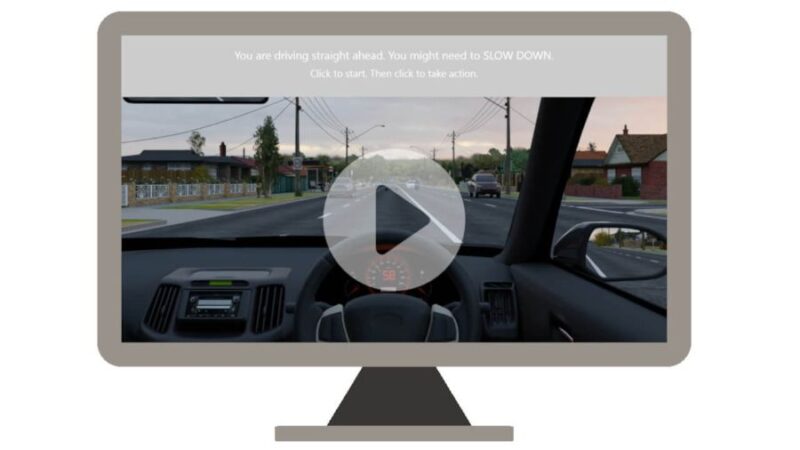
Before you take the test, it’s important to understand the test format and what to expect. The Hazard Perception Test is designed to assess your ability to identify and respond to potential hazards on the road. You’ll be shown a series of video clips that simulate different driving scenarios and situations. Your task is to identify potential hazards and respond appropriately. You’ll need to click the mouse button as soon as you spot a hazard, and you’ll score points based on how quickly you respond.
Practice Makes Perfect
One of the best ways to prepare for the Hazard Perception Test is to practice as much as possible. You can find practice tests online, which can help you get a feel for the test format and the types of hazards you’ll need to identify. The more you practice, the more confident you’ll feel on test day. You can also take a driving course that includes Hazard Perception Test practice, which can provide you with valuable feedback and guidance.
Stay Alert and Focused

During the test, it’s essential to stay alert and focused. You’ll need to pay close attention to the video clips and be ready to respond to hazards quickly. Try to stay calm and avoid getting distracted by other things in the room. If you find yourself struggling to concentrate, take a deep breath and refocus your attention on the task at hand.
Look for Clues and Patterns
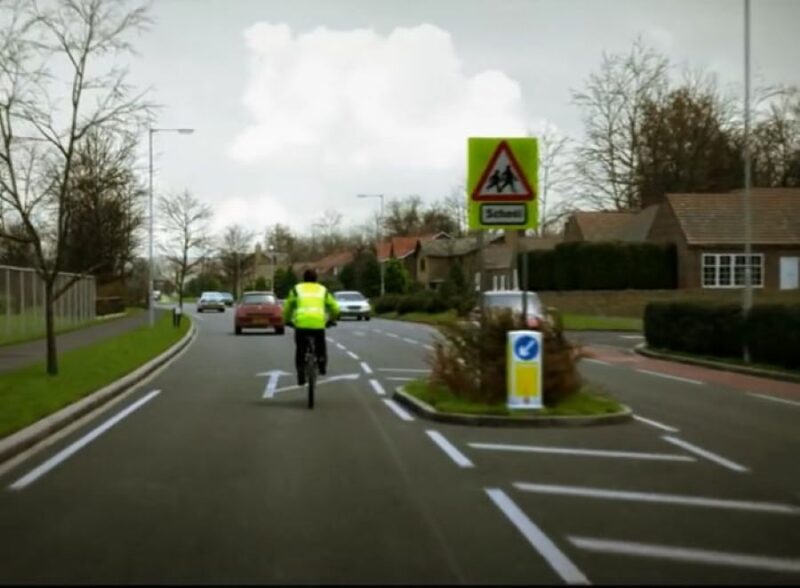
When watching the video clips, look for clues and patterns that can help you identify potential hazards. For example, you might notice that a car is driving erratically or that a pedestrian is about to cross the road. By looking for these clues and patterns, you can anticipate potential hazards and respond more quickly.
Don’t Click Too Early or Too Late
Timing is critical when taking the Hazard Perception Test.