If you’re planning a trip to Australia, the Blue Mountains are a must-see destination. Located just a few hours outside of Sydney, this stunning mountain range offers breathtaking views, charming towns, and plenty of outdoor activities. But have you ever wondered why they’re called the Blue Mountains? In this article, we’ll explore the history and geology behind this iconic Australian landmark.
Table of Contents
The Geology of the Blue Mountains
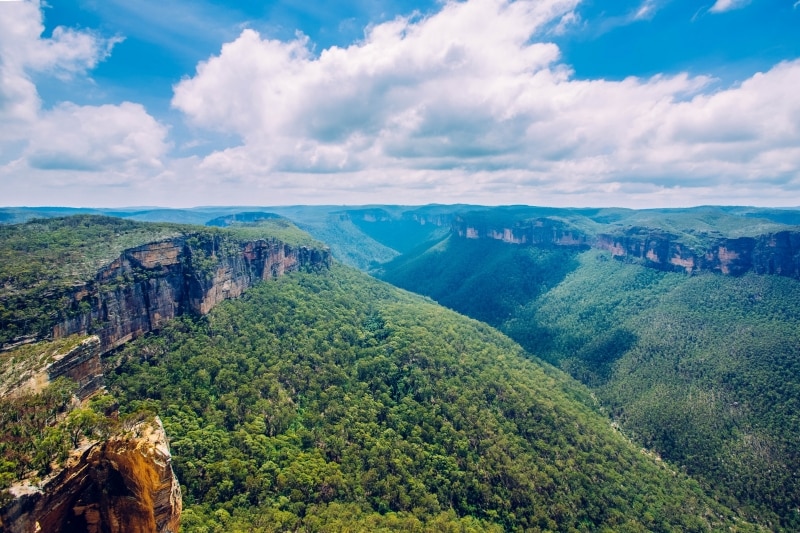
The Blue Mountains are part of the Great Dividing Range, a series of mountains that runs along the eastern coast of Australia. The range is made up of sandstone, shale, and other sedimentary rocks that were formed over millions of years. But what gives the Blue Mountains their distinctive blue hue?
The answer lies in the unique composition of the sandstone. The sandstone in the Blue Mountains contains a high concentration of eucalyptus oil, which is released into the air when the rocks are heated by the sun. The oil particles scatter the light in a way that creates a blue haze, giving the mountains their signature color.
The History of the Blue Mountains
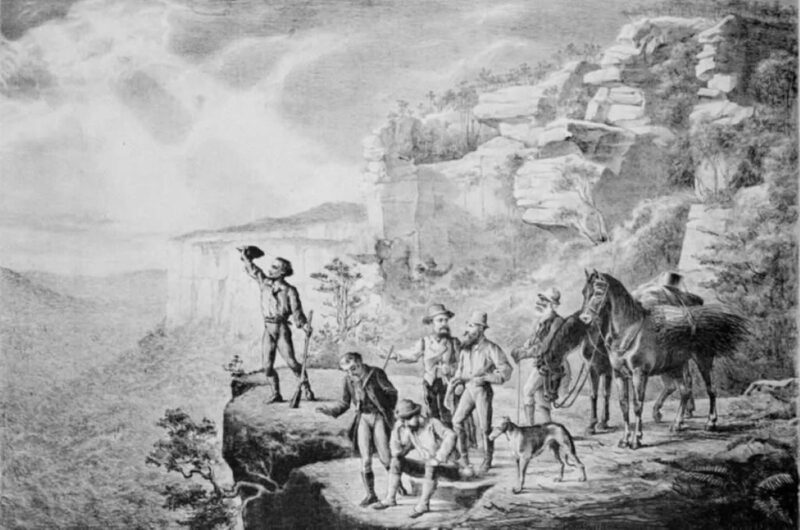
The Blue Mountains have been an important part of Australian history for thousands of years. The area was originally inhabited by the Gundungurra and Darug people, who used the mountains as a source of food, shelter, and spiritual significance.
In the early 1800s, European settlers began to explore the Blue Mountains in search of new grazing land. The rugged terrain and dense forests made it a difficult journey, but eventually a route was found through the mountains, now known as the Great Western Highway. The discovery of coal in the area led to the development of mining towns like Katoomba and Lithgow, which still exist today.
Exploring the Blue Mountains
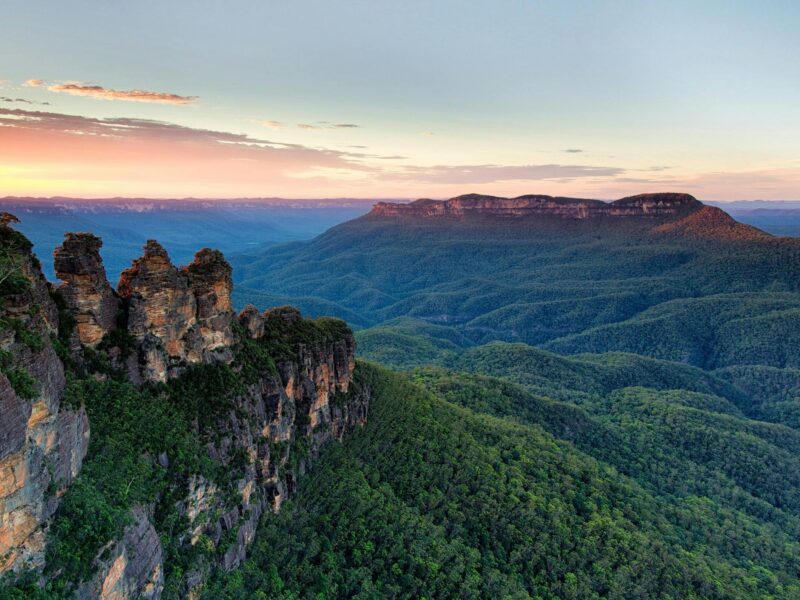
Today, the Blue Mountains are a popular destination for tourists and locals alike. The area is home to several charming towns, including Katoomba, Leura, and Blackheath, each with its own unique character and attractions.
One of the highlights of the Blue Mountains is the stunning scenery. The mountains are covered in dense forests, with waterfalls, canyons, and cliffs providing breathtaking views. There are also several hiking trails and lookout points that offer panoramic vistas of the surrounding landscape.