If you’ve ever flown into Sydney, you may have noticed that the airport is named after someone: Kingsford Smith. But who was Kingsford Smith, and why was he chosen to have the airport named after him? In this article, we’ll explore the fascinating history behind the name of Sydney Airport.
Table of Contents
Who was Kingsford Smith?
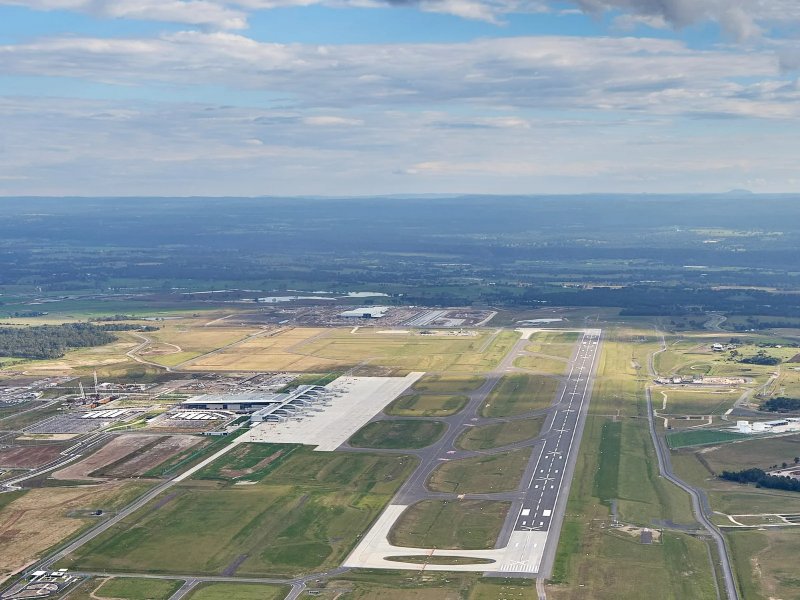
Sir Charles Kingsford Smith, also known as “Smithy,” was an Australian aviator who was born in 1897. He was a pioneer of aviation in Australia, and one of the most famous pilots of his time. He was the first person to fly across the Pacific Ocean from the United States to Australia, and he set many other aviation records during his career.
Kingsford Smith was a war hero as well, having served in both World War I and World War II. He was awarded the Military Cross for his bravery in World War I, and he was a commander in the Royal Australian Air Force during World War II.
Why was the airport named after Kingsford Smith?
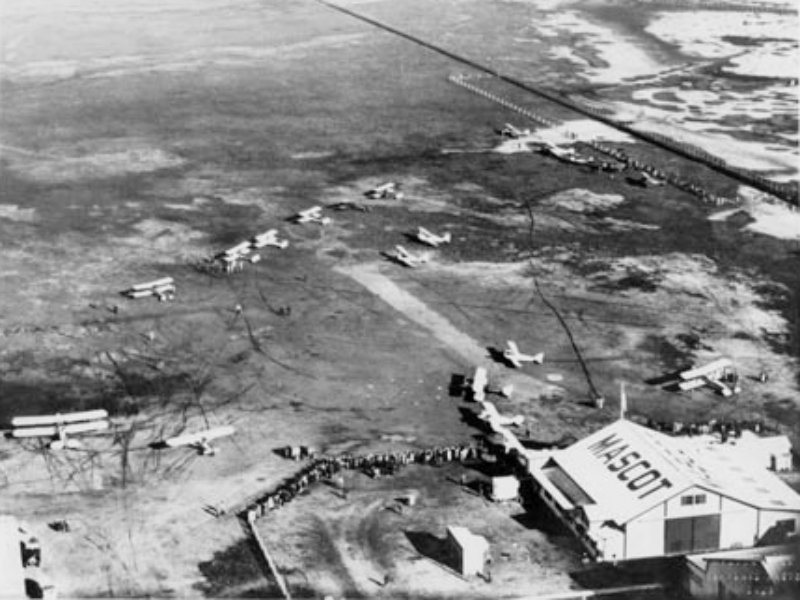
Sydney Airport was originally known as Mascot Aerodrome, and it was used primarily for military purposes. However, as commercial aviation began to take off in the 1930s, the Australian government decided to expand the airport and make it suitable for civilian use.
In 1935, the airport was officially renamed Sydney Airport, and it was decided that it would be named after Kingsford Smith. This decision was made to honor his contributions to aviation in Australia, and to recognize his status as a national hero.
The legacy of Kingsford Smith
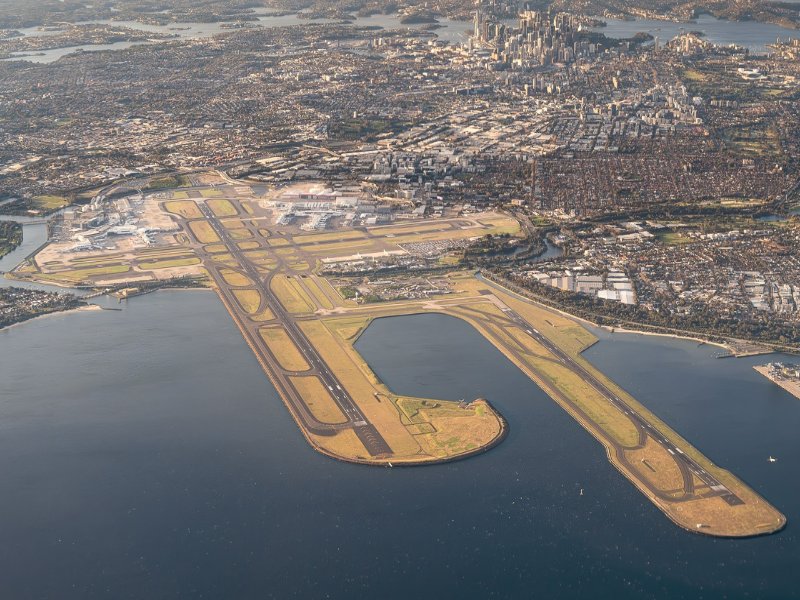
Today, the name Kingsford Smith is synonymous with aviation in Australia. The airport is not the only thing named after him – there are also streets, parks, and other landmarks across the country that bear his name. His legacy continues to inspire generations of Australians to pursue careers in aviation, and his name is a symbol of the pioneering spirit that has defined aviation in Australia since its earliest days.
In conclusion, Sydney Airport is named after Sir Charles Kingsford Smith, a pioneering aviator and war hero who played a key role in the development of aviation in Australia. His legacy is still felt today, and his name is a reminder of the important role that aviation has played in the history of Australia.