Australia is a vast and diverse country, known for its unique wildlife, stunning landscapes, and laid-back lifestyle. But one aspect of Australia that often sparks curiosity and confusion is its complex system of states and territories. With six states and two territories, Australia’s political landscape is unlike any other in the world.
Many people wonder why Australia is divided into this specific arrangement and what the significance of each state and territory is. In this article, we will explore the history and reasoning behind Australia’s six states and two territories, shedding light on the factors that led to this unique division.
By understanding the origins and roles of each state and territory, we can gain a deeper appreciation for the intricacies of Australia’s political structure and the importance of each region within the country.
From the bustling cities of New South Wales and Victoria to the rugged landscapes of Western Australia and the Northern Territory, each state and territory offers its own distinct culture, history, and identity. Join us as we delve into the fascinating world of Australia’s states and territories and uncover the reasons behind this intriguing division.
Australia has 6 states and 2 territories because of the historical development of the country. The original six states were established through various processes of colonization and federation, each with its own unique history and characteristics.
The two territories, the Australian Capital Territory (ACT) and the Northern Territory, were created for specific purposes – the ACT to house the national capital of Canberra, and the Northern Territory to administer the sparsely populated northern regions of the country. This division of states and territories has been maintained to balance the distribution of power and resources within the Australian federal system.
Table of Contents
Historical Background: Formation of Australia’s States and Territories
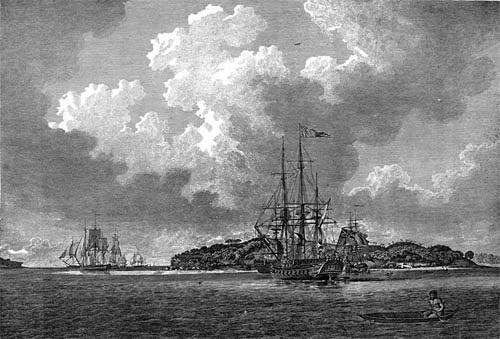
Australia’s states and territories have evolved over time through a series of historical events and political decisions. The formation of these entities began in the late 18th century with the arrival of British settlers in Australia. New South Wales was the first to be established as a penal colony in 1788, followed by the colonization of other regions, leading to the creation of separate colonies. The states of Victoria, Queensland, South Australia, and Tasmania were subsequently established, each with its own unique history and development.
Over time, these colonies gained self-governing status, paving the way for the formation of the Australian Commonwealth in 1901, which initially consisted of six states. The territories of the Australian Capital Territory (ACT) and the Northern Territory were later established, each serving different administrative purposes within the Australian federal system. This historical background sheds light on the complex process that led to the current structure of Australia’s states and territories.
Difference Between States and Territories: Legal and Administrative Aspects

In examining the legal and administrative aspects of states and territories in Australia, it is vital to understand the distinct governance structures that define these entities. States in Australia, such as New South Wales and Queensland, possess constitutional powers and responsibilities that are outlined in the Australian Constitution, granting them a significant degree of autonomy in areas such as education, healthcare, and transport.
On the other hand, territories, like the Australian Capital Territory (ACT) and the Northern Territory, have legislatures with powers devolved from the Australian Parliament, leading to differences in the allocation of responsibilities and decision-making processes.
Additionally, states have the authority to amend their own constitutions, a power not extended to territories, highlighting a key legal disparity between the two entity types. These nuanced legal and administrative distinctions play a crucial role in shaping the governance framework of Australia’s federal system.
Current Roles of Australia’s States and Territories: An Overview

Within the Australian federal system, each state and territory holds a unique set of roles and responsibilities that contribute to the overall governance of the nation. States like Victoria and Western Australia are granted authority over various sectors, including law enforcement, infrastructure, and agriculture, enabling them to make independent decisions on matters within their jurisdiction.
Meanwhile, territories such as the ACT and the Northern Territory operate under a different framework, where certain powers are delegated by the federal government, impacting their capacity to legislate and exert control over key policy areas. Understanding the intricate interplay between the states and territories is essential in comprehending the diverse landscape of Australia’s governance structure.
Leave a Reply