If you’re planning a trip to Australia, the Blue Mountains are a must-see destination. The Blue Mountains, located in New South Wales, are known for their stunning natural beauty and breathtaking views. But have you ever wondered why they are called the Blue Mountains? In this article, we will explore the origin of the name and the fascinating history behind this iconic Australian landmark.
Table of Contents
The Blue Mountain Range
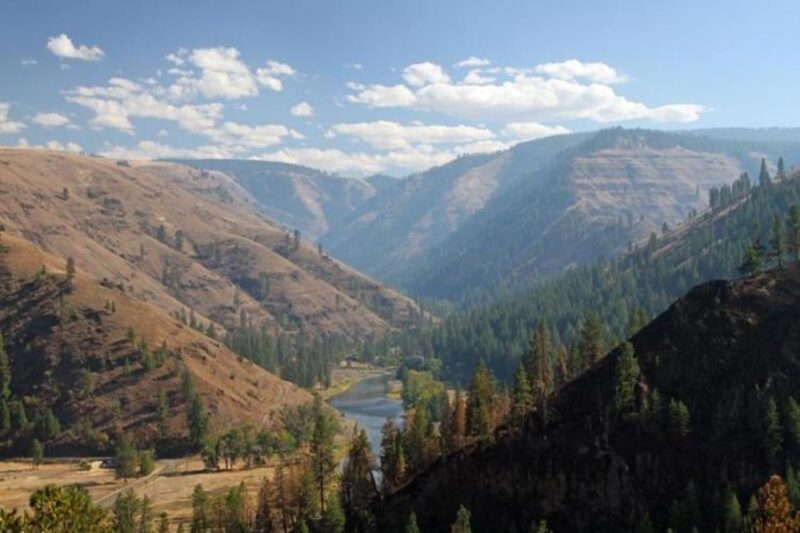
The Blue Mountains are part of a larger mountain range that stretches across New South Wales and Queensland. The range is home to a diverse range of flora and fauna, including eucalyptus forests, waterfalls, and rare animal species. The Blue Mountains are named after the blue haze that often blankets the area, which is caused by the release of oils from the eucalyptus trees.
The Origin of the Name
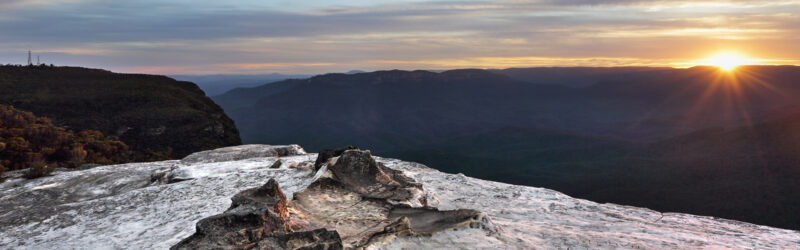
The Blue Mountains were first explored by Europeans in 1813, when a group of explorers led by Gregory Blaxland, William Lawson, and William Wentworth set out to find a way across the mountains. The journey was treacherous and took several months, but the explorers eventually found a pass that allowed them to cross the mountains.
During their journey, the explorers noted the blue haze that often covered the mountains. They believed that the haze was caused by the presence of copper in the rocks, which gave them a blue tint. However, it was later discovered that the haze was actually caused by the release of oils from the eucalyptus trees, which mixed with dust and water vapor to create a blue haze.
The name “Blue Mountains” was first used in print in 1822, when the explorer Hamilton Hume published a map of the area. The name quickly caught on and has been used ever since.
Exploring the Blue Mountains

Today, the Blue Mountains are a popular tourist destination, attracting visitors from around the world. The area is home to several national parks, including the Blue Mountains National Park, which covers over 247,000 acres.
One of the most popular attractions in the Blue Mountains is the Three Sisters, a rock formation that towers over the Jamison Valley. Legend has it that the Three Sisters were turned to stone by a powerful Aboriginal elder to protect them from harm.
Visitors to the Blue Mountains can enjoy a range of activities, including hiking, rock climbing, and abseiling.