
Sydney, with its stunning harbour and vast array of parks, offers several spots to enjoy a bonfire or campfire. However, you can have a bonfire during specific periods, but it’s essential to know that Fire Permits are often required, especially during the Bush Fire Danger Period. Following these regulations helps protect you, your property, and the community.
When planning your outdoor fire in Sydney, staying updated on Total Fire Ban rules is vital. These bans, enforced on extremely high fire danger days, carry heavy penalties if violated. Lighting a fire on such days can result in substantial fines or imprisonment.
Look into approved sites in NSW Rural Fire Service districts to find the right location. Some parks and properties may allow campfires or bonfires with the correct permits. By adhering to local regulations and guidelines, you can safely enjoy a cosy night under the stars with your bonfire in Sydney.
Table of Contents
Legal Considerations for Bonfires in Sydney

When planning a bonfire in Sydney, you must be aware of certain legal considerations. These include New South Wales fire regulations and specific policies enforced by local councils.
New South Wales Fire Regulations
In New South Wales (NSW), strict fire regulations reduce the risk of wildfires and protect public safety. Burning vegetation and domestic waste in open areas is generally prohibited in regions like Sydney, Wollongong, and Newcastle. This prohibition extends to other NSW council areas specified in Schedule 1 of the Clean Air Regulation.
A Fire Permit is required for burning activities during the Bush Fire Danger Period. These permits are mandatory all year round in Fire and Rescue districts. Fire permits are issued by authorised officers from Fire and Rescue NSW (FRNSW) and the NSW Rural Fire Service (NSW RFS).
Total Fire Bans can also be declared, during which any open flames, including bonfires, are completely prohibited. Checking the current Fire Danger Rating is crucial before planning any outdoor fire.
Council Policies on Outdoor Fires
Local NSW councils have specific rules regarding outdoor fires, including bonfires. Although bonfires in gardens are not outright illegal, they must not cause annoyance or air pollution. Councils can issue No-Burn Notices and penalties if the smoke affects neighbors.
Some councils might issue approvals for open burning in certain circumstances, but it’s essential to check with your local council first. Adelaide’s EPA and other regulatory bodies play a role in implementing these rules.
Selecting the Right Location
Finding the perfect spot for a bonfire in Sydney involves understanding local regulations and considering the environment that suits your needs. This includes options like beaches, private properties, national parks, and campgrounds.
Beaches and Private Properties
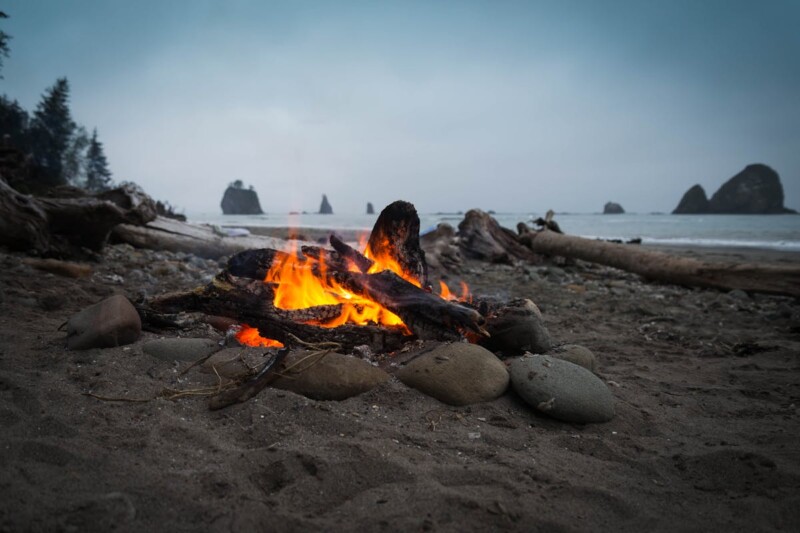
Sydney boasts several beaches that allow bonfires, such as those within designated fire areas. Ensure you obtain any necessary permits from the local council. Bondi Beach and manly-beach/”>Manly Beach might have specific rules, so checking current regulations is wise. Beaches provide a beautiful setting with the sound of waves and soft sand underfoot, enhancing the experience.
Private properties offer more control over your bonfire. If you own land or have permission from the owner, it’s essential to adhere to local fire safety rules. Using a fire pit or constructing a safe fire ring can minimize risks. Keeping water nearby and monitoring the fire is crucial for safety. In drier environments, stay vigilant about ember control and potential spread.
National Parks and Campgrounds
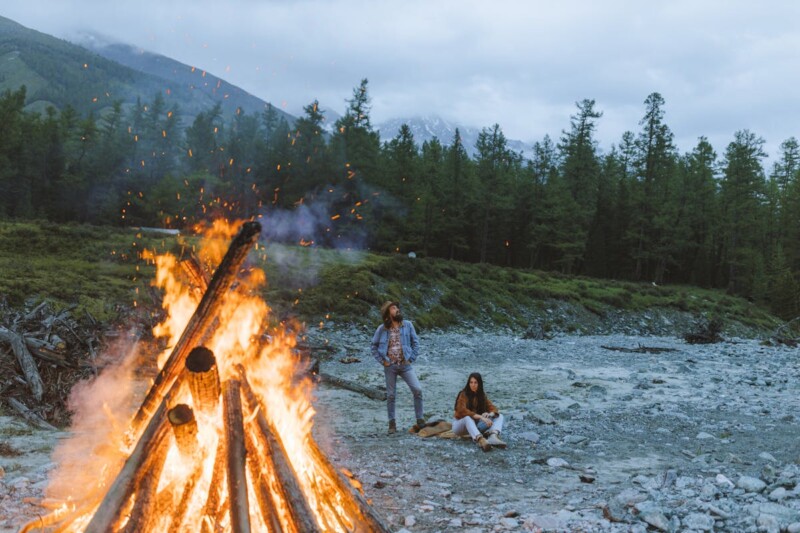
National parks around Sydney, such as the Royal National Park and Ku-ring-gai Chase National Park, offer designated areas for campfires. These spots often have facilities like fire pits and water sources, ensuring safety and convenience. Always check for fire bans and obtain any required permits from park authorities.
Campgrounds provide a structured environment, often with clear guidelines for bonfires. Places like Lane Cove National Park provide specific areas where fires are allowed, ensuring minimal environmental impact. Use designated fire rings and avoid burning during dry conditions to protect the bushwalking trails and natural habitat surrounding you.
Safety and Environmental Measures
Bonfires can be enjoyable, but specific measures ensure safety and environmental preservation in Sydney. Focus on minimising fire risks while respecting our unique flora and fauna.
Minimising Fire Risks
Prioritise fire safety by considering the dry weather conditions and selecting a safe location for your bonfire. Avoid days with high fire danger ratings, and adhere to guidelines from Fire and Rescue NSW or the Rural Fire Service.
Use a fire pit with a solid, non-flammable base. Keep a fire extinguisher, water source, and shovel nearby. Remember, it’s illegal to burn household waste. Stick to dry, untreated wood, ensuring minimal smoke and ash. Monitor the fire constantly and fully extinguish it with water before leaving the site.
Preserving the Australian Bush
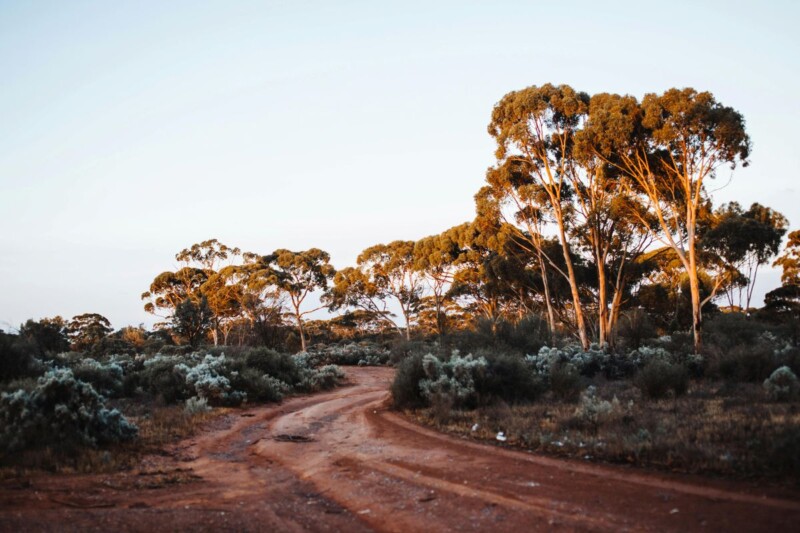
Australia’s unique environment, including its diverse flora and fauna, demands respect. To protect natural habitats, avoid having bonfires in national parks. Select locations that do minimal harm to the surrounding vegetation and wildlife.
Ensure the materials you burn do not create excessive smoke, which can harm air quality and the health of nearby nature. Keep the bonfire contained, limit its size, and clear surrounding areas of dry leaves and debris to prevent accidental spread. Employ these practices to enjoy the natural beauty without compromising the environment.
Best Time for Bonfires
The timing of your bonfire in Sydney depends on seasonal weather patterns and fire safety regulations. This ensures a safe and enjoyable experience without environmental and community risks.
Seasonal Considerations
Sydney’s summer months from December to February are typically hot and dry, making them unsuitable for bonfires due to high fire risk. The ideal time for bonfires in Sydney is during the cooler months, especially from late autumn to early spring (April to October), when weather conditions are more favourable.
During these months, temperatures are milder, and there’s generally more moisture in the air, reducing the likelihood of fire hazards. Evening bonfires are particularly popular during these periods as they provide warmth and a cosy atmosphere. Keep an eye on weather forecasts to ensure no sudden changes that might heighten fire risks.
Understanding Fire Danger Ratings

Before planning a bonfire, it’s crucial to understand the Fire Danger Ratings in your area. These ratings range from “Low-Moderate” to “Catastrophic” and are based on temperature, humidity, wind, and vegetation dryness. Ratings are updated daily and should be checked regularly.
A “Total Fire Ban” means no fires, including bonfires, are allowed in the open. On days with “Extreme” fire danger ratings, it’s important to avoid all fire-related activities to prevent accidental ignitions. Always follow updates from the NSW Rural Fire Service and adhere to any restrictions or guidelines they provide to ensure safety.
Preparation and What to Bring
Preparation is key to enjoying a bonfire in Sydney. Bringing the right gear and food ensures a comfortable and memorable experience for you and your friends.
Essential Bonfire Gear
To start, you’ll need a few basic items. Wood and matches are obviously crucial, but consider bringing firelighters or kindling to get things going quickly. A portable fire pit is ideal if you are not at a site with a permanent one. It’s safer, more controlled, and often easier to clean up.
A stack of firewood is essential. Hardwood is recommended for longer-lasting fires, but some softwood kindling will help to initially ignite the flames. Don’t forget a fire extinguisher or a bucket of water for safety.
Chairs and blankets will make sitting around the fire more comfortable. Also, bring a torch to navigate the area at night. Ensure you have enough lighting if you plan on cooking or playing games once it gets dark.
Food and Entertainment
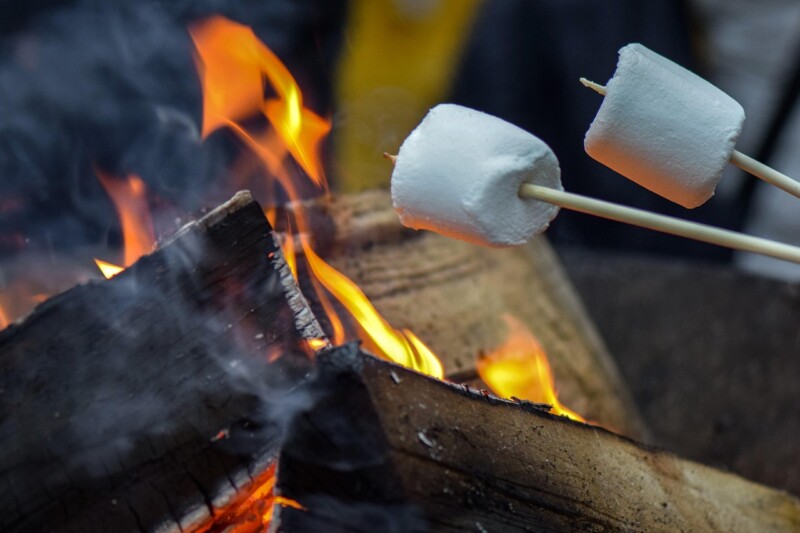
Bonfires are synonymous with good food and fun activities. Marshmallows for toasting are a classic choice, but you can elevate the experience by bringing pre-baked potatoes and various toppings like cheese, bacon bits, and jalapeños. Wrap them in foil and place them in the fire for a tasty treat.
Portable grills or skewers can expand your cooking options. Hot dogs, sausages, and veggies cook well over an open flame. Bring plenty of snacks and drinks as well. A cooler can keep beverages chilled.
For entertainment, consider portable speakers for music, and simple games like cards or a frisbee. Engage everyone with activities like storytelling or sing-along. Remember, the primary aim is to enjoy the bonfire’s company and warmth.
Activities and Entertainment
Sydney offers a variety of activities and entertainment options for families and adventure seekers. From walking trails and games to fishing and boating on the Hawkesbury River, there’s something for everyone.
Family-Oriented Activities
Families in Sydney can enjoy various engaging activities. Take a stroll along the scenic walking trails that provide stunning views of the Harbour. These paths offer an opportunity to immerse yourself in nature while keeping fit.
Swimming is another favourite among families, with many locations providing safe and enjoyable spots. Opt for beaches or designated swimming areas where the whole family can splash around.
Games can bring everyone together. Popular options include frisbee, soccer, and volleyball on open lawns. These games are perfect for children and adults alike and require minimal equipment and setup.
Fishing and Boating Adventures
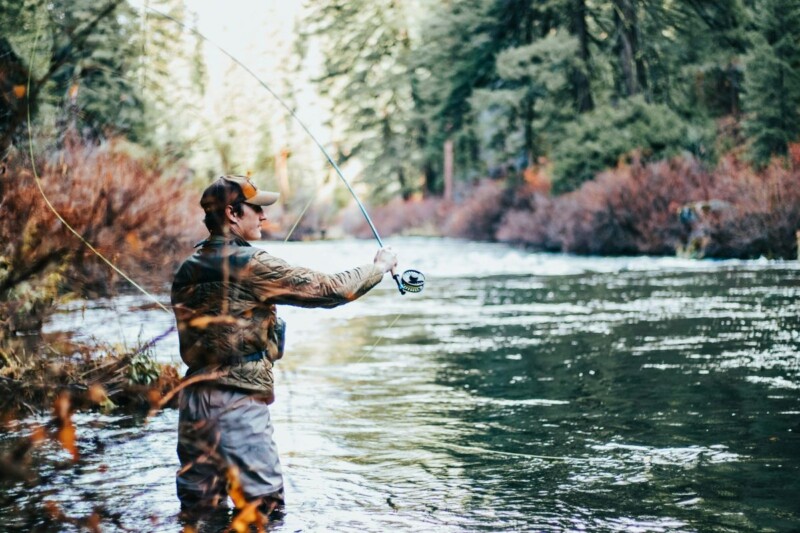
For those who love the water, Sydney’s fishing and boating options are plentiful. The Hawkesbury River is a top spot, known for its tranquil environment and rich fish populations.
A boat ramp provides easy access to the river. Whether you have your boat or are renting one, getting on the water is straightforward. Fishing enthusiasts will find the river teeming with species like bream, flathead, and mulloway.
Boating can also be a leisurely adventure. Explore secluded spots and enjoy the serenity away from the bustling city. Sydney’s waterways invite you to explore and relax, whether you’re an experienced boater or new to the activity.
Facilities and Amenities
Exploring bonfire-friendly campsites near Sydney comes with a range of facilities to ensure your stay is comfortable and enjoyable. From well-maintained showers and toilets to the variety in accommodation options, these sites cater to every need.
Campsite Facilities
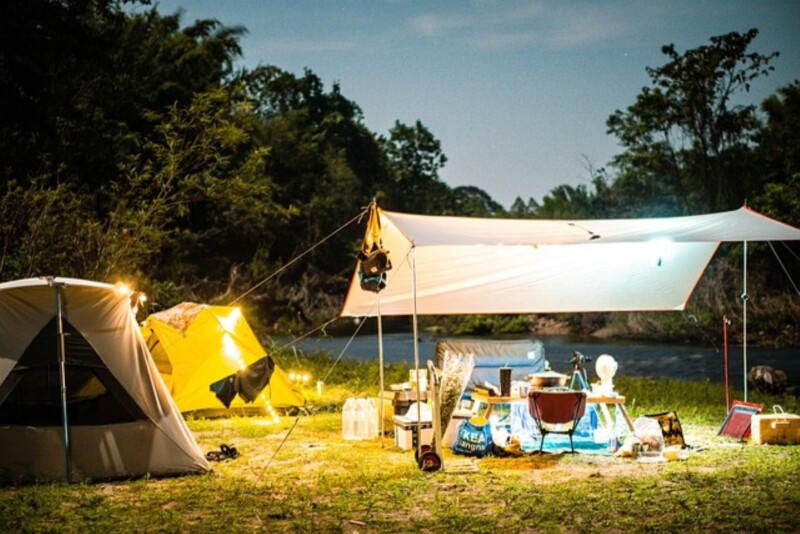
When choosing a campsite, you’ll find that many places come well-equipped with important amenities. Showers and toilets are highly maintained in campgrounds such as Wollondilly River Station and Coolendel Bush Camp, providing comfort and cleanliness.
Drinking water availability is a crucial factor. Many sites, including Coolendel, generate their own water supply, ensuring you have a sustainable source during your stay.
Some campsites offer powered sites for your caravans or camping equipment if you prefer more convenience. BBQ areas are common, allowing you to enjoy outdoor meals around your bonfire.
Facilities often include laundry services, so you can pack lightly without worrying about running out of clean clothes. Some campsites are pet-friendly, so the entire family can enjoy the adventure.
Accommodation Options
Accommodation options vary widely across bonfire-friendly sites near Sydney. Whether you prefer a more rustic or luxurious experience, there’s something for everyone. Tent sites are available at places like Booderee National Park and Rivers Run along the Colo River for traditional camping enthusiasts.
Some locations offer glamping options for those seeking slightly more comfort. Glamper sites provide a more luxurious camping experience with additional comforts like beds, lighting, and sometimes even heating.
If you travel with your caravan or campervan, caravan sites are perfect. They offer the convenience of home-like amenities on the road. Several campsites also have cabins and cottages for those who prefer a solid roof over their heads while still enjoying the camping atmosphere.