Table of Contents
What is the number one rule of camping?
Camping is a great way to escape from the hustle and bustle of everyday life and immerse yourself in nature. Whether you’re an experienced camper or a first-timer, there’s one rule that you should always keep in mind: Leave No Trace.
What is Leave No Trace?

Leave No Trace is a set of principles that guides outdoor enthusiasts on how to enjoy nature responsibly. The idea is to minimize your impact on the environment and leave it as pristine as you found it. The Leave No Trace Center for Outdoor Ethics has identified seven principles that campers should follow:
- Plan Ahead and Prepare
- Travel and Camp on Durable Surfaces
- Dispose of Waste Properly
- Leave What You Find
- Minimize Campfire Impact
- Respect Wildlife
- Be Considerate of Other Visitors
By following these principles, you can help preserve the natural beauty of camping sites Sydney and other outdoor destinations for future generations to enjoy.
Why is Leave No Trace important?

Camping is a great way to connect with nature and escape from the stresses of modern life. However, if we’re not careful, our presence can have a negative impact on the environment. Littering, trampling on vegetation, disturbing wildlife, and leaving campfire scars are just a few examples of how our actions can harm nature.
The Leave No Trace principles provide a framework for responsible outdoor recreation. By following these guidelines, we can minimize our impact on the environment and ensure that future generations can enjoy the same natural beauty that we do.
How to practice Leave No Trace?

Practicing Leave No Trace is easy and doesn’t require any special skills or equipment. Here are some tips to help you get started:
Plan Ahead and Prepare
Before you go camping, do some research on the area you’re visiting. Find out what the rules and regulations are, and make sure you have the necessary permits. Plan your trip to minimize your impact on the environment. Choose a campsite that’s already established rather than creating a new one. Bring a map and compass, and learn how to use them.
Travel and Camp on Durable Surfaces
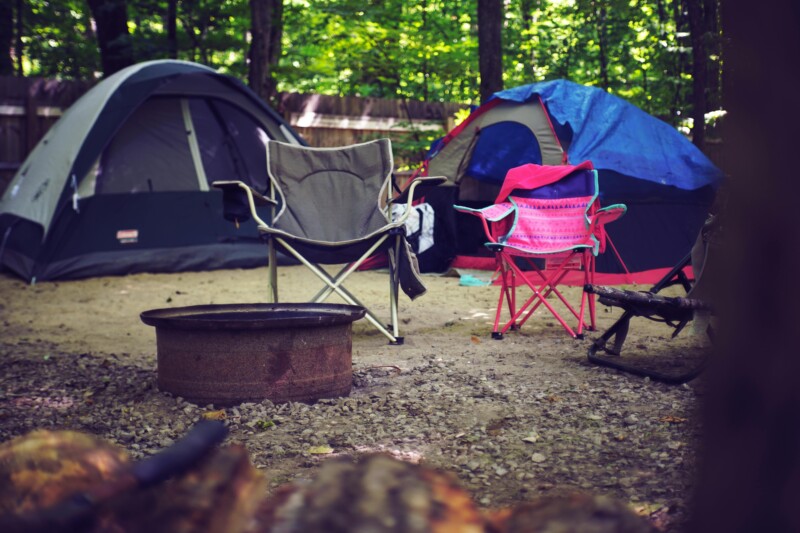
Stick to established trails and campsites to minimize your impact on the environment. Avoid walking on vegetation, as this can damage the ecosystem. If there are no established campsites, camp at least 200 feet away from water sources to protect them.