Sydney is one of the most popular cities in Australia, known for its iconic landmarks, beautiful beaches, and vibrant culture. But have you ever wondered what Sydney is named after? In this article, we’ll explore the history behind the name of this incredible city.
Table of Contents
The Origin of Sydney’s Name
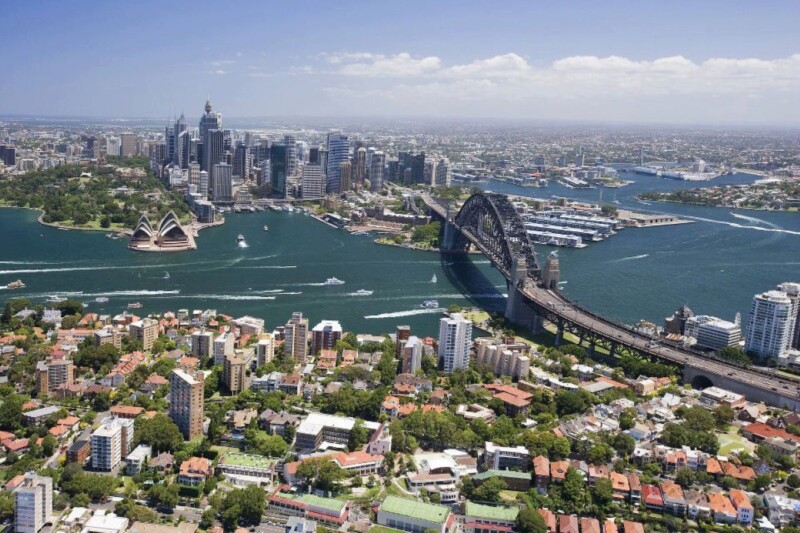
Sydney is named after Thomas Townshend, Lord Sydney, who served as the British Home Secretary from 1783 to 1789. Lord Sydney was responsible for the colonization of Australia and played a crucial role in the establishment of the first British colony in New South Wales.
When Captain Arthur Phillip arrived in Botany Bay in 1788 to establish a penal colony, he named the settlement after Lord Sydney in recognition of his contributions to the colonization of Australia. The settlement was officially named “Sydney” on January 26, 1788, which is now celebrated as Australia Day.
The Aboriginal Connection

While Sydney is named after a British politician, the city has a strong connection to the Aboriginal people who inhabited the land for thousands of years before European settlement. The area where Sydney is located was home to the Eora people, who had a rich cultural heritage and a deep connection to the land.
One of the most significant Aboriginal sites in Sydney is the Sydney Cave, located in the Sydney Harbour National Park. The cave is a sacred site for the Eora people and is believed to have been used for thousands of years for spiritual and cultural practices.
Exploring Sydney’s History
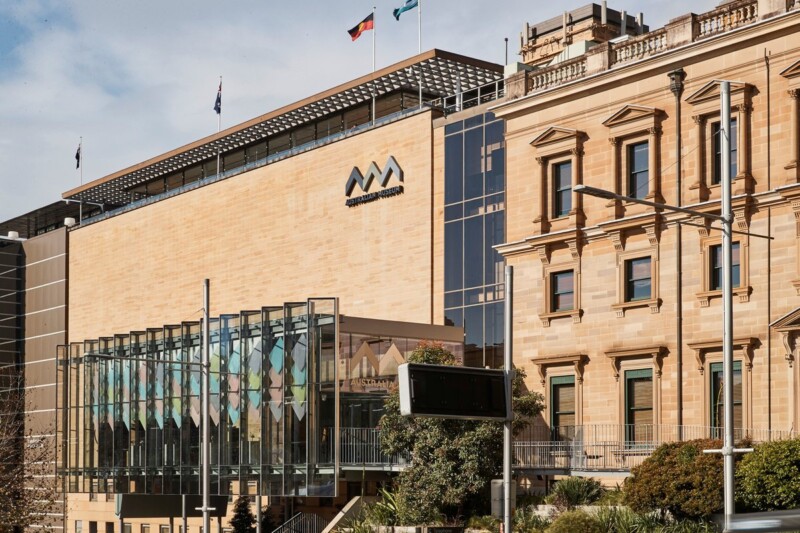
If you’re interested in learning more about Sydney’s history, there are plenty of ways to explore the city’s rich cultural heritage. One of the best ways to do so is by visiting the Museum of Sydney, which is located on the site of the first Government House in Australia.
The museum features a range of exhibits that explore the history of Sydney, from its Aboriginal heritage to its colonial past and its evolution into a modern city. You can also take a walking tour of the city to learn more about its history and see some of its iconic landmarks up close.