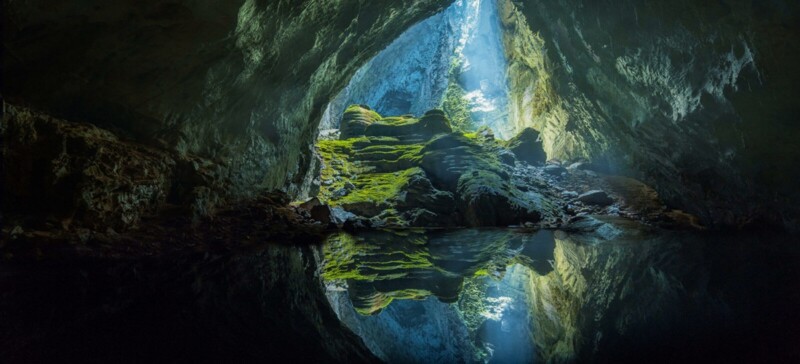
Caves are one of the most fascinating natural wonders on Earth. They are formed by various geological processes, and each cave has its unique features and characteristics. If you’re planning a trip to explore caves, it’s essential to know the different types of caves you may encounter. In this article, we’ll discuss the three types of caves you can find, including their characteristics, formation, and where to find them.
Table of Contents
Types of Caves
Solutional Caves

Solutional caves are the most common type of cave and are formed by the dissolution of soluble rocks, such as limestone, dolomite, and gypsum. These rocks dissolve in water, creating underground channels and caverns. Solutional caves are often characterized by their unique formations, such as stalactites, stalagmites, and columns. These formations are created by the deposition of minerals and other materials in the water. Solutional caves can be found all over the world, including the Caves in Blue Mountains, Australia.
Lava Caves

Lava caves, also known as volcanic caves, are formed by the solidification of lava flows. These caves are typically found in areas with recent or ongoing volcanic activity, such as Hawaii, Iceland, and the Galapagos Islands. Lava caves can range in size from small tubes to massive caverns. They are often characterized by their unique geological features, such as lava stalactites and lava tubes.
Sea Caves
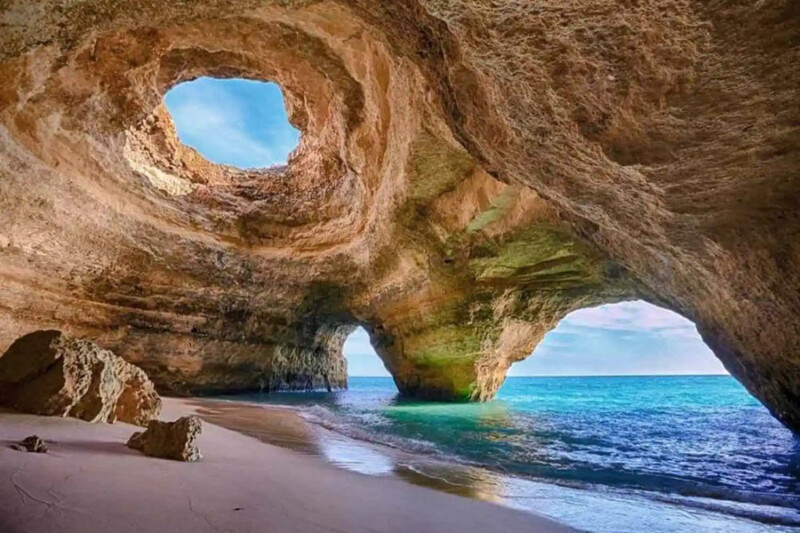
Sea caves are formed by the erosion of rock along the coastline by the action of waves. These caves are often found in areas with high wave energy, such as rocky coasts and cliffs. Sea caves can be small or large, and their size and shape depend on the type of rock and the strength of the waves that created them. Some sea caves are only accessible by boat or kayak, making them a unique and exciting destination for adventurous travelers.
Conclusion
In conclusion, caves are fascinating natural wonders that offer unique experiences for travelers. Understanding the different types of caves and their characteristics can help you plan your next adventure. Whether you’re exploring the solutional caves in Blue Mountains, the lava caves of Hawaii, or the sea caves of the Galapagos Islands, each cave has its unique features and geological history waiting to be discovered.