If you’re looking for a place to escape the hustle and bustle of city life, there’s no better destination than the Snowy Mountains in Australia. Nestled in the heart of the Australian Alps, this region is a paradise for nature lovers, adventure seekers, and anyone looking for a break from the daily grind. And one of the most exciting attractions in the area is Snowy 2.0, a massive hydroelectric project that’s set to transform the region’s energy landscape.
Table of Contents
What is Snowy 2.0?
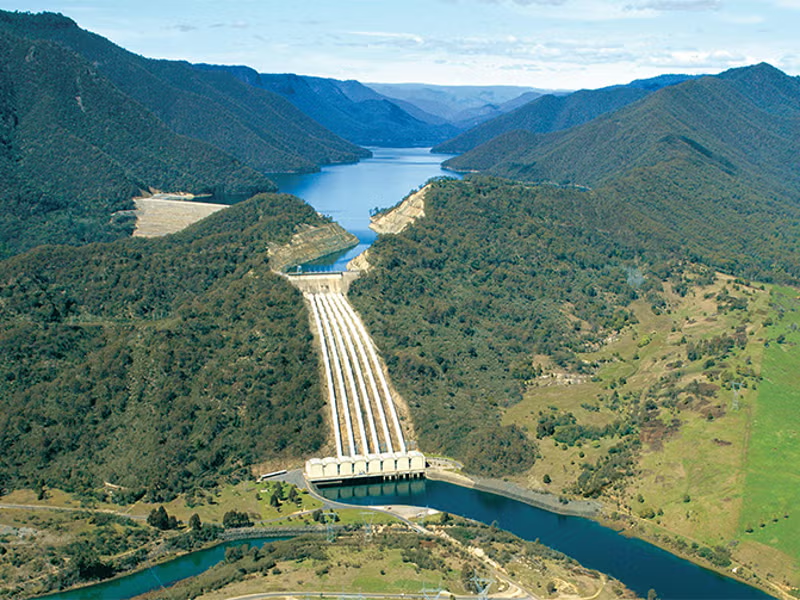
Snowy 2.0 is a major expansion of the Snowy Mountains Hydroelectric Scheme, which was built in the 1950s and 60s. The original scheme consisted of 16 major dams and reservoirs, and it generated enough electricity to power over 1 million homes. But with the growing demand for renewable energy sources, the Australian government decided to expand the scheme and create Snowy 2.0.
The new project involves building a series of tunnels and underground power stations that will connect two existing reservoirs, Tantangara and Talbingo. When completed, Snowy 2.0 will be capable of generating up to 2,000 megawatts of electricity, which is enough to power over 500,000 homes.
Where is Snowy 2.0 located?
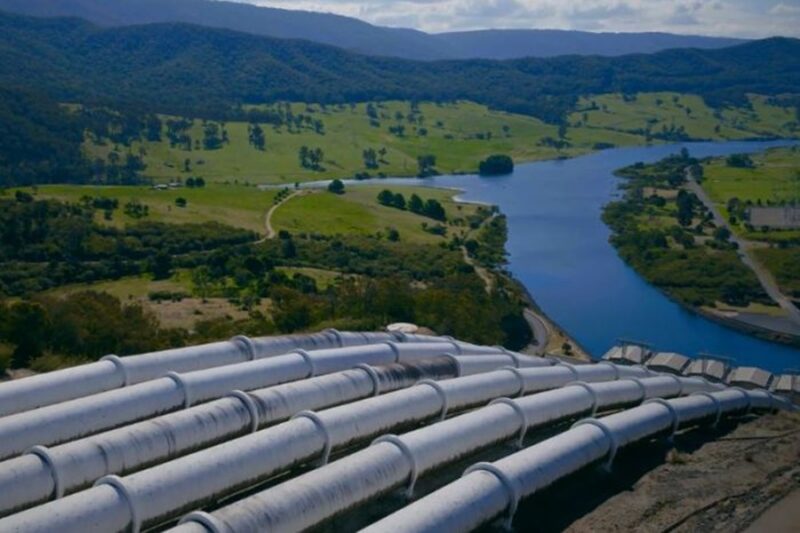
Snowy 2.0 is located in the Snowy Mountains region of New South Wales, Australia. Specifically, the project is situated between the Tantangara and Talbingo reservoirs, which are both part of the original Snowy Mountains Hydroelectric Scheme.
To get to Snowy 2.0, you’ll need to travel to the town of Cooma, which is located about 100 kilometers south of Canberra. From there, you can take a scenic drive through the mountains to the project site, which is about 30 kilometers south of Talbingo.
Why visit Snowy 2.0?
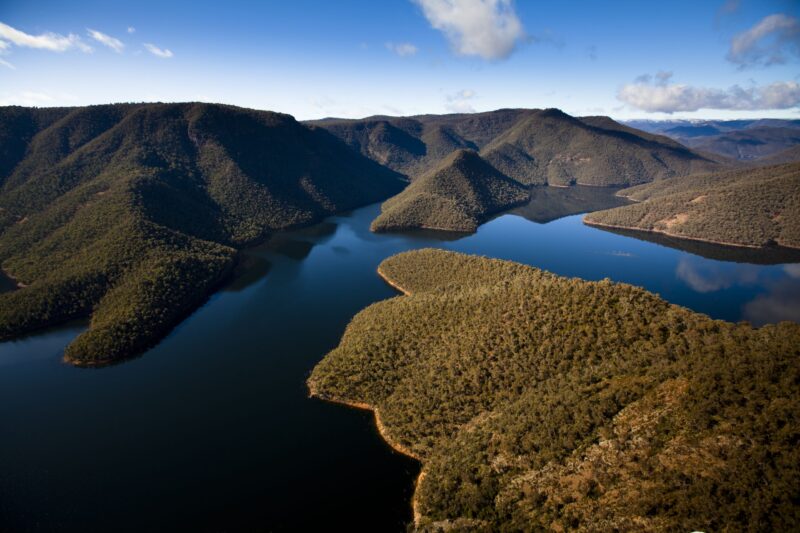
While Snowy 2.0 is primarily a hydroelectric project, it’s also a fascinating destination for anyone interested in engineering, technology, and innovation. The project involves some of the most advanced engineering techniques in the world, including tunneling through granite and excavating underground caverns the size of football fields.
In addition to the project itself, the Snowy Mountains region offers a wealth of attractions for visitors.
Leave a Reply