
Planning a trip from Sydney to the United States can feel exciting—until you start adding up the costs. Between flights, insurance, and paperwork, the visa process can catch you off guard if you’re not prepared.
The cost to get a visa from Australia to the USA usually starts at about US$185 (around AU$288), depending on the visa type and any new fees like the upcoming US$250 “Visa Integrity Fee.”
I’ve helped plenty of Aussies navigate this process, and trust me, it’s smoother when you know what to expect. You’ll need to budget not just for the application itself, but also for possible interview trips, document prep, and other small costs that add up fast.
Table of Contents
Key Takeaways
- Understand the main visa types and what each costs
- Know the steps and documents needed for your application
- Plan ahead for extra expenses and possible fee changes
Types of U.S. Visas for Australians
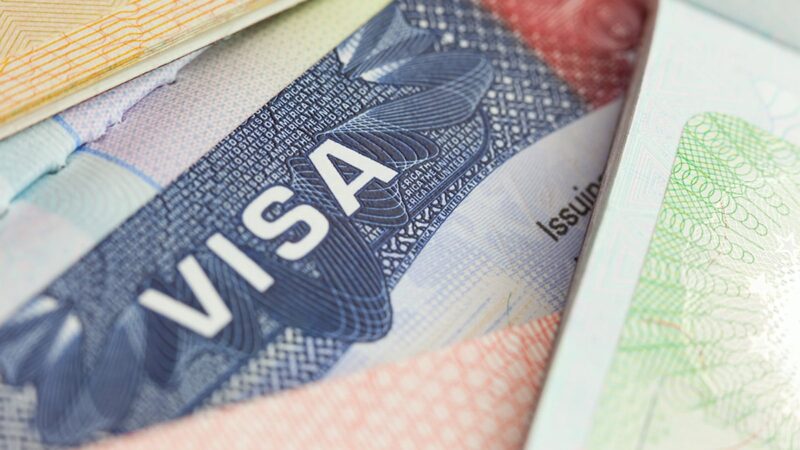
If you hold an Australian passport, you have several ways to enter the United States depending on your travel plans. Some travelers can skip the formal visa process altogether, while others must apply for specific categories based on work, study, or tourism.
Understanding which option fits your trip saves both time and money.
Visa Waiver Program (ESTA) Overview
Australians are lucky here—you can often visit the U.S. without a traditional visa under the Visa Waiver Program (VWP). This program lets you stay for up to 90 days for tourism or business.
You just need to apply online for an Electronic System for Travel Authorization (ESTA) before flying. The ESTA isn’t free, though. The current fee is about US$40, as noted by Executive Traveller.
Approval usually comes within minutes, but it’s smart to apply at least a few days before departure in case of delays. I’ve used ESTA myself a few times—super convenient. But remember, it doesn’t cover work or study.
If you plan to do either, you’ll need a proper visa. And if you’ve ever overstayed a U.S. visit, ESTA likely won’t be approved.
B1 and B2 Visa Categories
When you need more than 90 days, or if your ESTA is denied, the B1 (Business) and B2 (Tourist) visas are your go-to options. According to the U.S. Embassy in Australia, these are nonimmigrant visas meant for short-term stays.
The B1 visa covers business meetings, conferences, and contract negotiations. The B2 visa is for leisure travel, visiting family, or medical treatment.
Both are valid for up to 10 years, though each visit usually can’t exceed six months. You’ll need to pay a US$185 application fee, as listed on the U.S. Department of State’s fee schedule.
You’ll also attend an interview at the U.S. Consulate, usually in Sydney, Melbourne, or Perth.
Eligibility Criteria for Each Visa Type
For the Visa Waiver Program, eligibility depends mainly on your Australian citizenship, a valid e-passport, and a clean immigration record. You must also have a return or onward ticket and plan to visit for 90 days or less.
The B1/B2 visas require more documentation. You’ll need to show financial proof that you can cover your stay, ties to Australia (like a job or family), and evidence you’ll return home.
The consular officer decides based on your interview and paperwork. One thing I’ve learned from helping friends apply—honesty matters. Even small inconsistencies can cause delays or denials.
So, keep your forms neat, double-check dates, and bring printed copies of everything. It’s not hard, just a bit tedious, but it pays off when you’re sipping coffee in New York instead of stressing over paperwork.
Breakdown of Visa Application Costs
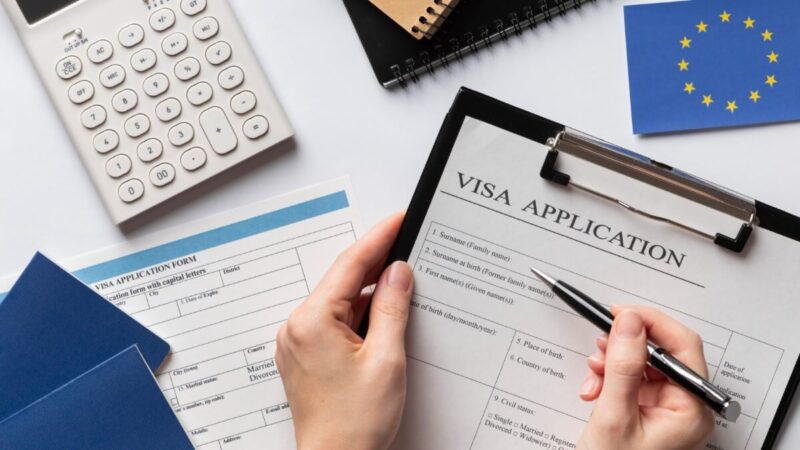
When you plan a trip from Australia to the United States, the cost of getting your visa depends on the type of travel authorization you need. The fees vary between the quick online ESTA option and traditional nonimmigrant visas, with some extra charges that can sneak up depending on your situation and nationality.
ESTA Application Fees
If you’re heading to the U.S. for a short visit under the Visa Waiver Program, you’ll likely apply for an ESTA (Electronic System for Travel Authorization). It’s the simplest and cheapest route.
The total fee is US$21, paid online through the official government portal. ESTA approval usually lasts two years or until your passport expires.
You can use it for multiple trips of up to 90 days each. I’ve used it myself for quick work trips—it’s fast, usually approved within minutes, though sometimes it can take up to 72 hours.
Just remember, ESTA isn’t a visa. It’s a pre-travel clearance. If you’ve been denied entry before or overstayed a visa, you’ll need to apply for a full nonimmigrant visa instead.
You can read more on the U.S. Visa Waiver Program and ESTA fees.
Nonimmigrant Visa Fees (B1/B2)
For longer visits—say, a business meeting or a holiday that doesn’t fit the ESTA rules—you’ll need a B1/B2 visa. The current application fee is US$185, according to the official U.S. Department of State fee schedule.
This fee covers the interview and processing but is non-refundable, even if your application is denied. You pay it before scheduling your appointment at the U.S. Consulate in Sydney, Melbourne, or Perth.
If your trip involves special categories, like a work or exchange visa, the costs can rise. For example, petition-based visas such as H or L types are US$205, while the E (Investor) visa is US$315.
Always double-check the latest rates before applying, as they can change without much notice.
Additional Processing and Reciprocity Fees
After paying your main visa application fee, you might face extra costs depending on your nationality and visa type. These are known as reciprocity fees, and they vary widely.
Some Australians don’t pay any, but citizens of other countries might pay additional charges based on diplomatic agreements. You can check the Visa Reciprocity Tables for details.
There are also optional charges for things like premium or expedited processing, though these apply mainly to petition-based visas handled through USCIS. If you’re applying under an L visa blanket petition, there’s even a US$500 fraud prevention fee.
Large employers might face an extra US$4,500 under certain conditions. For most Australian travelers, though, the main cost remains the standard application fee.
Still, it’s smart to factor in courier fees, passport photos, and travel to your interview—those small extras add up faster than you’d think.
Step-by-Step Visa Application Process
Getting a U.S. visa with an Australian passport takes patience and attention to detail. You’ll need to complete an online form, pay the correct fee, and attend an in-person interview at a U.S. Consulate.
Each step matters—missing even one can delay your travel plans or cost you extra time.
Completing the DS-160 Form
Start by filling out the DS-160 form online through the Consular Electronic Application Center. This form collects your personal details, travel plans, and background information.
It’s long, so set aside at least an hour to finish it. You’ll receive a confirmation page with a barcode after submission—print it and keep it safe.
You’ll need it at your interview. Double-check your answers before submitting; even small errors can cause delays.
When I first did mine, I saved the form halfway through, grabbed a coffee, and came back later with a clearer head. That helped me avoid silly mistakes.
If you’re planning to book flights early, you can keep an eye on cheap ticket deals while waiting for your visa approval, but don’t buy anything non-refundable yet.
Paying the Required Fees
Next, you’ll need to pay the non-refundable visa application fee. The amount depends on the visa type, but most tourist (B-2) visas cost around the same.
Payments are made online through the U.S. Visa Service portal. You can usually pay by credit card or bank transfer.
Once paid, you’ll get a receipt number—write it down or take a screenshot because you’ll need it to schedule your interview. I’ve seen people forget this step and scramble to find their payment proof the night before their appointment.
Don’t be that person. Keep your paperwork tidy in a small folder or envelope. It makes things smoother when you’re at the consulate.
Scheduling and Attending Your Interview
After payment, log into the U.S. Visa Service site to book your interview. You can choose between Sydney, Melbourne, or Perth.
Appointment times vary, so book early if you’re on a tight schedule. Bring all your documents: your Australian passport, DS-160 confirmation, photo, and financial evidence.
The interview itself is usually short—mine lasted about five minutes. The officer asked about my travel plans and how long I’d stay.
Dress neatly but comfortably. Be calm and honest with your answers. If approved, your passport with the visa will arrive by courier in a few weeks, ready for your American adventure.
Essential Documents and Requirements
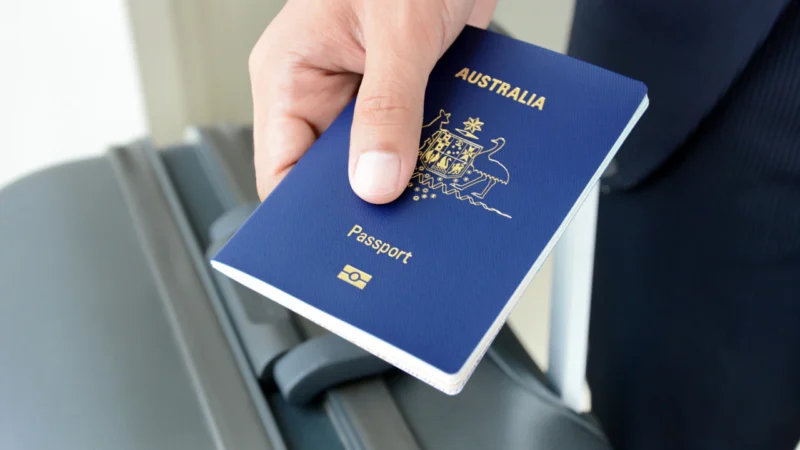
When you apply for a U.S. tourist visa from Australia, having the right paperwork ready makes all the difference. You’ll need a valid Australian passport, proof of your travel and finances, and a recent photo that meets U.S. standards.
Getting these small but crucial details right can save you time and stress later.
Australian Passport Validity
Your Australian passport must be valid for at least six months beyond your planned stay in the United States. This rule applies even if your trip is short.
I’ve seen people turned away at check-in because their passport was due to expire a few months early—it’s not worth the risk. If your passport is close to expiring, renew it before applying for your visa.
You can do this through the Australian Passport Office or a participating Australia Post outlet. Make sure your passport is undamaged and includes at least one blank visa page for the U.S. entry stamp.
And don’t forget—if you hold dual citizenship, always use the same passport throughout your application and travel. Mixing passports can cause delays or confusion when entering the U.S.
Supporting Financial and Travel Documents
Consular officers want to see you can afford your trip and that you plan to return home. Bring bank statements from the last three months, employment letters, or tax records showing stable income.
If someone else is footing the bill, include a sponsorship letter and their financial documents. You should also carry a travel itinerary—even a rough version helps show your intentions.
Sites like AUM Global’s guide point out that proof of strong ties, like a job, property, or family in Australia, can really help your case. I usually print everything and keep it in a small folder.
It sounds a bit old-school, but when you’re at the embassy window, being organized makes a world of difference and calms the nerves.
Photograph and Biometric Data Guidelines
Your visa photo has to meet strict U.S. requirements: color, 2×2 inches, plain white background, and taken within the last six months. No glasses, hats, or filters—just you, with a neutral expression.
Most photo shops in Australia know the U.S. specs, but I’d double-check before printing. At your interview, you’ll also provide biometric data, including fingerprints and a digital photo.
The process is quick—less than a minute—but it’s mandatory for everyone. If your photo doesn’t meet the standards, your application could get delayed.
It’s worth getting it right the first time. I once had to retake mine because of a faint shadow behind my head—tiny details matter more than you’d think.
Other Expenses to Consider When Applying
When you’re planning your U.S. visa from Australia, the application fee isn’t the only thing you’ll pay for. Additional expenses like insurance, document prep, and delivery services can sneak up on you.
Travel Insurance and Health Coverage
Even though travel insurance isn’t required for a U.S. visa, skipping it feels risky. Medical care in the U.S. is expensive, and a short hospital visit could set you back thousands.
I always tell friends heading overseas to check if their policy covers emergency care, trip cancellation, and lost baggage. Some insurers offer flexible plans for short or long stays.
You can compare options for travel insurance online before paying your visa fee. If you already have private health insurance, call your provider and ask if it covers you internationally.
Many don’t, so get written confirmation so you’re not caught off guard later.
Document Translation or Certification Costs
If any of your supporting documents—like birth certificates or police checks—aren’t in English, you’ll need certified translations. Prices vary, but expect to pay per page for professional translation or notarization.
I once had to translate my university transcripts, and honestly, the cost surprised me more than the visa fee. It’s smart to request quotes early and confirm the translator is NAATI-accredited.
You might also need to certify copies at a Justice of the Peace or notary public. These small costs can add up fast if you’re submitting several forms.
Courier and Delivery Fees
After your interview, your passport and visa usually come back by courier. Depending on where you live, you might pay extra for delivery or pickup at a designated spot.
I’ve found that using a reliable courier saves time and stress. Double-check your delivery address and keep your tracking number handy.
If you’re mailing documents to the U.S. consulate, use a service with tracking and insurance. It’s not the place to cut corners—lost documents can delay your trip by weeks.
Factors Influencing Total Visa Costs
Several key factors can change how much you’ll pay for a U.S. visa from Australia. Shifts in currency value, optional processing upgrades, and where you complete your application all play a role.
Exchange Rate Fluctuations
When you pay U.S. government fees in Australian dollars, the exchange rate can make a noticeable difference. If the Aussie dollar drops, your total cost goes up because you’ll need more AUD for the same USD fee.
I’ve seen travelers caught off guard by this when rates shift between budgeting and actually paying. You can track daily currency rates through your bank or online converters.
Some people set alerts to lock in payments when the rate looks good. It’s a small habit that can save you a tidy sum, especially if you’re applying for a whole family.
If you’re booking flights soon after approval, it’s smart to look for cheap flight tickets early. Exchange rates can affect airfare too, so timing both payments can help your travel budget stretch further.
Expedited Processing Options
If you’re in a hurry, expedited—or “premium”—processing can shave weeks off your wait time. But it comes at a price.
For example, U.S. Citizenship and Immigration Services charges an extra fee for premium processing, which can be a couple thousand U.S. dollars depending on the visa type. I once helped a friend who paid for faster processing because her job start date in New York couldn’t budge.
She said it was worth every cent for peace of mind. For most travelers, though, standard processing works fine if you plan ahead.
Always weigh the benefit of saving time against the extra cost. If your travel or work schedule is flexible, you might skip the upgrade and spend that money elsewhere—maybe on accommodation or travel insurance.
Location-Based Service Charges
Where you submit your application and attend your interview affects costs more than you’d think. Fees for medical exams, document translation, and courier services often vary by city.
For instance, a medical exam in Sydney might cost more than in a smaller regional center. Even courier delivery for returning passports can differ depending on your postcode.
Some applicants travel to another city for appointments if it saves them a few hundred dollars overall. It’s worth calling ahead to compare service prices before booking appointments.
A short domestic flight or train ride might balance out the difference, especially if you can combine it with other errands or visits.
Frequently Asked Questions
Traveling from Australia to the U.S. comes with a few costs and steps that can catch you off guard if you’re not prepared. The visa process itself isn’t complicated, but knowing what you’ll pay, how to apply, and what kind of visa you need can save you time and stress later.
What is the current fee for a U.S. tourist visa when applying from Australia?
As of now, the standard U.S. tourist visa (B1/B2) application fee is USD $185, according to the U.S. Embassy & Consulates in Australia. This fee applies to most short‑term travel for tourism or business.
You’ll pay it when scheduling your interview, and it’s non‑refundable—even if your application is denied.
Can you outline the steps for an Australian citizen to apply for a U.S. visa?
You’ll start by completing the DS‑160 form online, upload a recent photo, and pay the visa fee. Then, you’ll schedule an interview at the U.S. Consulate in Sydney, Melbourne, or Perth.
Bring your passport, confirmation page, and supporting documents. I remember doing this myself years ago—it’s a bit of paperwork, but it’s pretty straightforward once you’ve done it once.
If you’re visiting for under 90 days, you might not even need a visa. Australians can travel under the Visa Waiver Program using an ESTA, as explained on VisaRequirements.info.
What are the costs associated with a U.S. B1/B2 visa for an Australian applicant?
The B1/B2 visa—for business or tourism—costs USD $185, which is about AUD $288, depending on exchange rates. According to Fast Cover, petition‑based visas like work or study can cost more.
You might also pay extra for things like passport delivery or expedited processing, but those are optional.
Is there a difference in U.S. visa fees for Australian citizens of Indian origin?
No, nationality by origin doesn’t change the fee. What matters is your current citizenshipand the type of visa you apply for.
If you hold an Australian passport, you’ll pay the same rate as any other Australian citizen. I’ve had friends with dual backgrounds ask the same thing—it’s a common mix‑up.
How does the U.S. visa application fee for Australians compare to that for UK citizens?
The fee for Australians and UK citizens is basically the same, since the U.S. sets these rates globally by visa type. Both pay USD $185 for a tourist visa.
The main difference is in processing times and interview availability, which can vary depending on local embassy demand.
What should Australians expect in terms of fees for a 10-year U.S. visa?
The 10‑year multiple‑entry visa costs USD $185, just like the standard B1/B2. The price stays the same, but you get a much longer validity period.
If you travel to the States often, it’s honestly a pretty solid deal. I’ve used mine for several trips, and it’s a relief not having to reapply every couple of years.
Need more details? Take a look at AUM Global’s guide.