If you’re planning a trip to Australia, the Blue Mountains are a must-visit destination. Located just a few hours outside of Sydney, the Blue Mountains are a breathtakingly beautiful region of Australia that are known for their stunning natural scenery and vibrant blue hue. But why do they call them the Blue Mountains? In this article, we’ll explore the history and geology behind this unique phenomenon.
Table of Contents
The Geology of the Blue Mountains
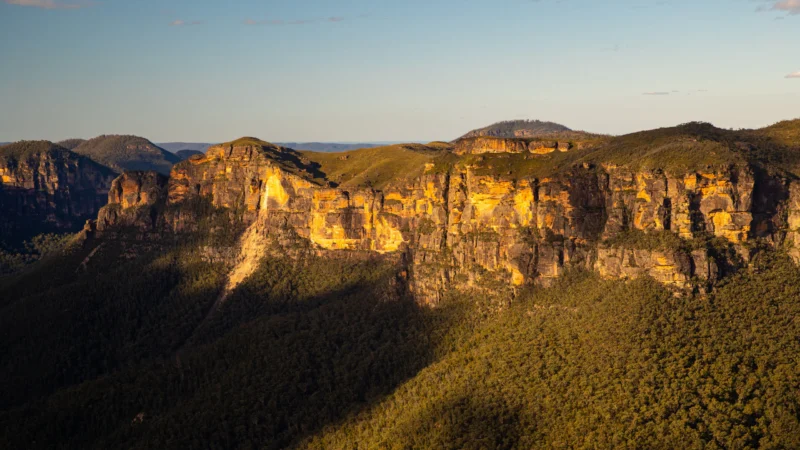
The Blue Mountains are part of the Great Dividing Range, a vast mountain range that runs along the east coast of Australia. The mountains themselves are made up of sandstone, which was formed over 200 million years ago during the Triassic period. The sandstone is rich in iron and other minerals, which gives it a distinctive blue-grey color.
Over time, the sandstone has been eroded by wind and water, creating deep valleys and steep cliffs. The Blue Mountains are famous for their dramatic scenery, which includes towering cliffs, deep gorges, and cascading waterfalls.
The Origin of the Name
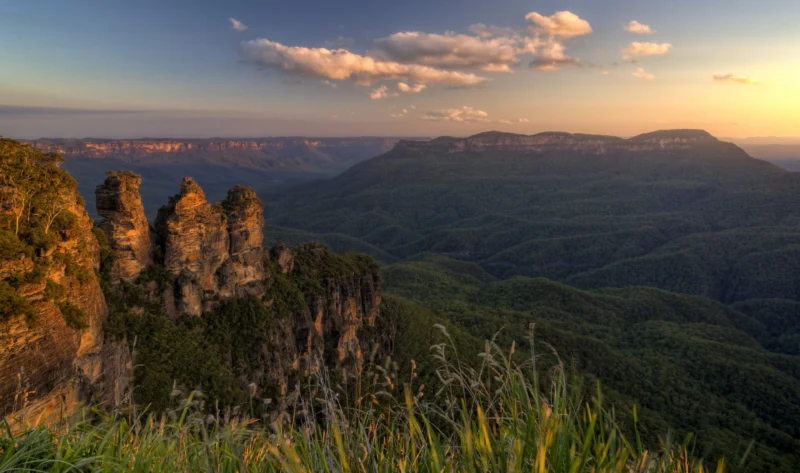
So why do they call them the Blue Mountains? The name actually comes from the blue haze that often surrounds the mountains. This haze is caused by the eucalyptus trees that grow in the region. Eucalyptus trees release a fine mist of oil into the air, which can refract light and create a blue tint. When this mist combines with dust and other particles in the air, it can create a distinctive blue haze that blankets the mountains.
The Blue Mountains have been known by this name since the early days of European settlement in Australia. The first European explorers to visit the region were struck by the beauty of the mountains and the blue haze that surrounded them. The name has stuck ever since, and today the Blue Mountains are one of the most popular tourist destinations in Australia.
Exploring the Blue Mountains
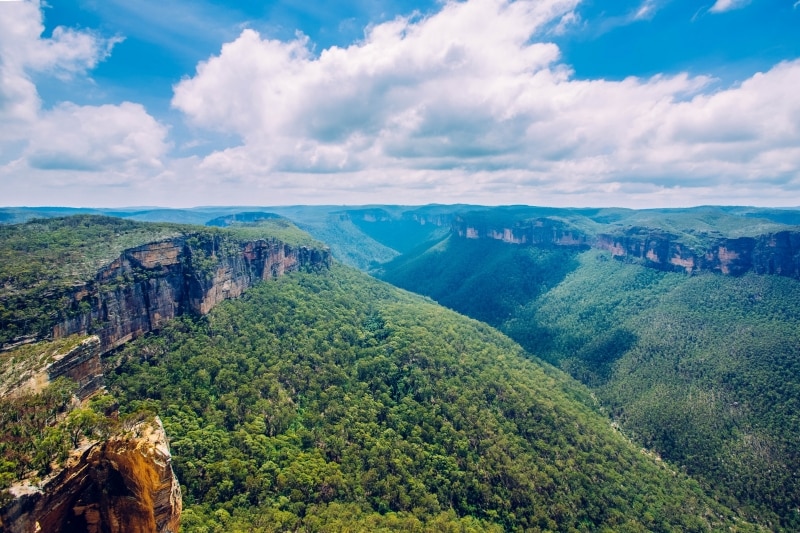
If you’re planning a trip to the Blue Mountains, there are plenty of things to see and do. The region is home to dozens of hiking trails, ranging from easy walks to challenging multi-day treks. Some of the most popular hikes include the Grand Canyon Walk, the Three Sisters Walk, and the National Pass Trail.
In addition to hiking, the Blue Mountains are also a great place for rock climbing, mountain biking, and horseback riding.