Australia is often considered the most regulated of all Western-block democratic countries. The country has put in place a plethora of regulations, laws, by-laws, and protocols to ensure that the government, from the federal level down to the local authorities, can control almost every aspect of citizens’ lives. But, is Australia a nanny state? In this article, we will explore the concept of a nanny state and examine whether Australia fits the bill.
Table of Contents
What is a Nanny State?

A nanny state is a term used to describe a government that excessively regulates its citizens’ behavior, often out of a perceived need to protect them from themselves. This type of government intervention can be seen in many areas, such as smoking, drinking, and even the type of foods that can be sold or consumed. The term is often used in a negative context, as it suggests that the government is treating its citizens like children, and that individual freedom and responsibility are being eroded.
The Case for Australia as a Nanny State
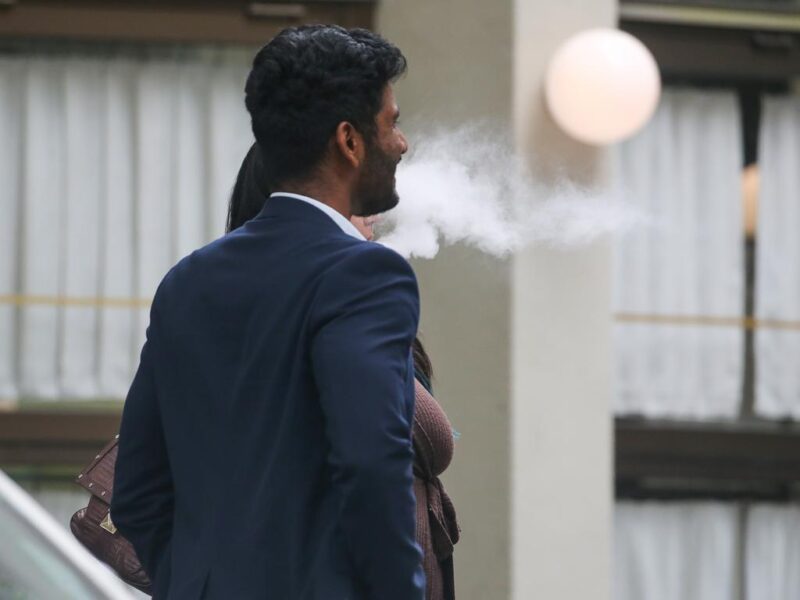
There is no doubt that Australia has a high level of government intervention in many areas of life. For example, smoking is heavily regulated, with bans on smoking in many public spaces and plain packaging laws. Alcohol is also regulated, with strict licensing laws and high taxes on alcohol products. The country’s food industry is also heavily regulated, with laws governing the types of foods that can be sold and the way they are labeled.
The government has also taken a strong stance on issues such as seatbelt and helmet laws, mandating their use to reduce the risk of injury in accidents. The country has also implemented strict gun control laws following the Port Arthur massacre in 1996, which saw 35 people killed and 23 injured by a lone gunman.
The Case Against Australia as a Nanny State

While it is true that Australia has a high level of government intervention in many areas of life, some argue that this does not necessarily make it a nanny state. The government’s interventions are often aimed at protecting public health and safety, rather than controlling individuals’ behavior. For example, smoking and alcohol regulations are aimed at reducing the harm caused by these products, while helmet and seatbelt laws are aimed at reducing the risk of injury in accidents.
Furthermore, Australia has a strong tradition of individual freedom and responsibility, with a culture that values self-reliance and independence.
Leave a Reply