If you’re planning a trip from Sydney to Melbourne, you might be wondering if there’s a high-speed train that can take you there. The answer is not really. While there is a train that runs between the two cities, it’s not exactly high-speed.
The XPT Train
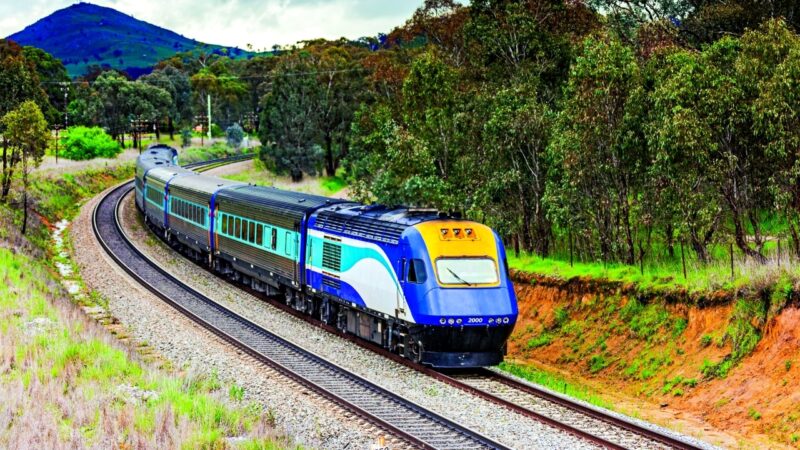
The train that runs between Sydney and Melbourne is called the XPT, which stands for “express passenger train.” While it’s not a high-speed train, it’s still a comfortable and convenient way to travel between the two cities.
The XPT train has a top speed of 160 kph, but due to track and terrain conditions, it seldom reaches that speed. The train takes 11 hours to cover the 950-kilometre distance, which averages around 86 kph.
Table of Contents
Why No High-Speed Train?
Australia is a vast country with a relatively small population, which makes it difficult to justify the cost of building a high-speed rail network. While there have been proposals for a high-speed train between Sydney and Melbourne, it’s unlikely to happen anytime soon.
Alternative Ways to Travel

If you’re looking for a faster way to travel between Sydney and Melbourne, you can consider flying. There are several airlines that operate flights between the two cities, and the flight time is only around 1.5 hours.
Another option is to drive. The distance between Sydney and Melbourne is around 900 kilometres, and the drive takes around 9-10 hours. However, this option can be tiring, and you’ll need to factor in the cost of fuel and accommodation if you plan to stop along the way.
Conclusion
While there is no high-speed train between Sydney and Melbourne, the XPT train is still a comfortable and convenient way to travel between the two cities. If you’re looking for a faster option, flying is the way to go, but if you have time to spare and want to enjoy the scenery, driving can be a great option too.
Remember to plan your trip ahead of time and consider all your options carefully. No matter how you choose to travel, you’re sure to have a great time exploring all that Sydney and Melbourne have to offer.
Leave a Reply