If you’re planning a trip to Australia, the Blue Mountains are a must-visit destination. This natural wonder is located just a short distance from Sydney, and offers breathtaking views and a variety of outdoor activities. But have you ever wondered why they’re called the Blue Mountains? In this article, we’ll explore the history and geology behind this famous landmark.
Table of Contents
The History of the Blue Mountains
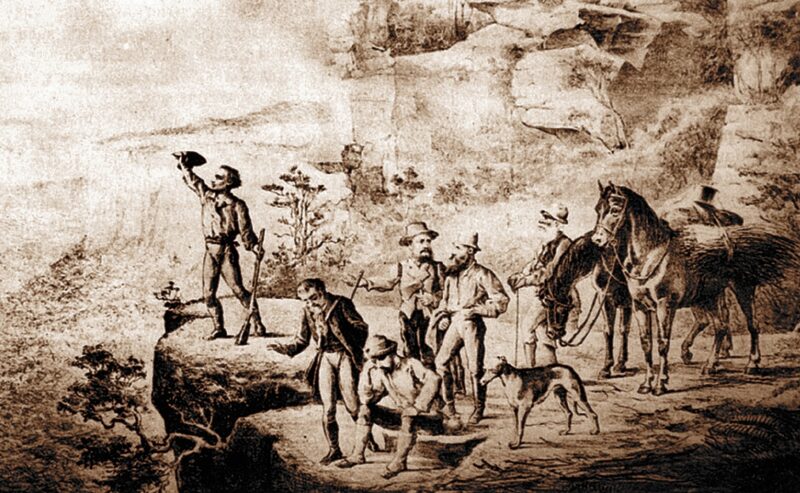
The Blue Mountains were first discovered by European explorers in 1813, led by Gregory Blaxland, William Lawson, and William Charles Wentworth. The trio were searching for a way to cross the mountains and reach the fertile lands beyond. They were the first Europeans to successfully cross the mountains, and their journey opened up the western region of New South Wales to settlement.
The Blue Mountains were named by the explorers due to the blue haze that often surrounds the mountains, particularly in the early morning and late afternoon. The haze is caused by the eucalyptus oil released by the trees in the mountains, which creates a blue mist when it combines with dust particles and water vapor in the air.
The Geology of the Blue Mountains

The Blue Mountains are part of the Great Dividing Range, which runs along the eastern coast of Australia. The range is made up of sandstone, shale, and other sedimentary rocks that were formed over millions of years. The Blue Mountains themselves are made up of sandstone, which gives them their distinctive blue-gray color.
One of the most famous landmarks in the Blue Mountains is One Tree Hill, which offers panoramic views of the surrounding landscape. The hill is named for a single tree that stood at the top of the hill for many years, until it was struck by lightning and destroyed in the 1950s. Today, visitors can hike to the top of One Tree Hill and enjoy the same stunning views that Blaxland, Lawson, and Wentworth would have seen over 200 years ago.
Exploring the Blue Mountains
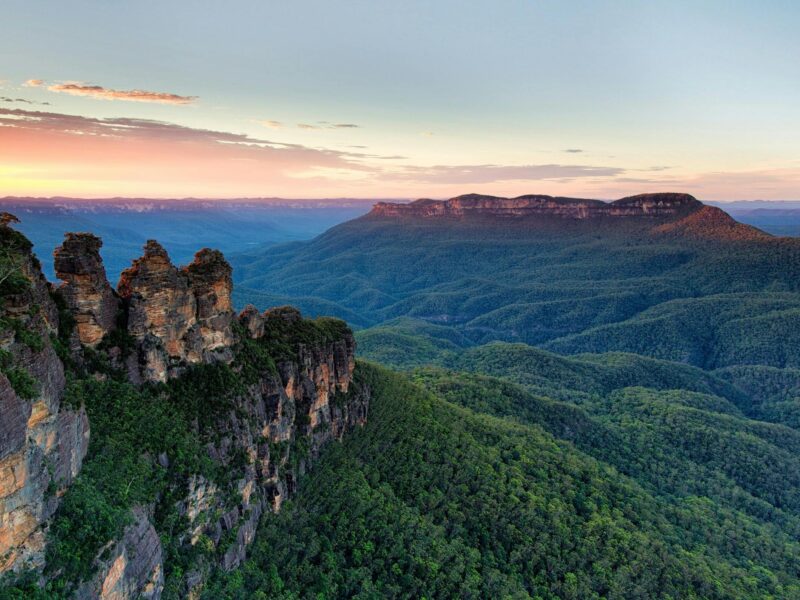
There are many ways to explore the Blue Mountains, from hiking and mountain biking to rock climbing and abseiling. One of the most popular activities is the Scenic Railway, which takes visitors on a scenic journey through the mountains on a historic railway line. The railway offers stunning views of the mountains and the surrounding countryside, and is a great way to experience the beauty of the Blue Mountains without having to hike or climb.
Leave a Reply