
As an avid traveler and nature enthusiast, I have been fortunate enough to explore some of the most breathtaking mountain ranges around the world. Mountains are not only a stunning natural wonder, but they also hold a significant place in history and culture. There are five basic types of mountains, each with its unique characteristics, formation, and geological features. In this article, we will explore the five basic types of mountains and their features.
Table of Contents
Fold Mountains

Fold mountains are the most common type of mountains, accounting for 80% of all mountain ranges worldwide. These mountains are formed when two tectonic plates collide, causing the earth’s crust to buckle and fold, resulting in the formation of mountains. The Himalayas, the Andes, and the Alps are examples of fold mountains.
Fault-Block Mountains
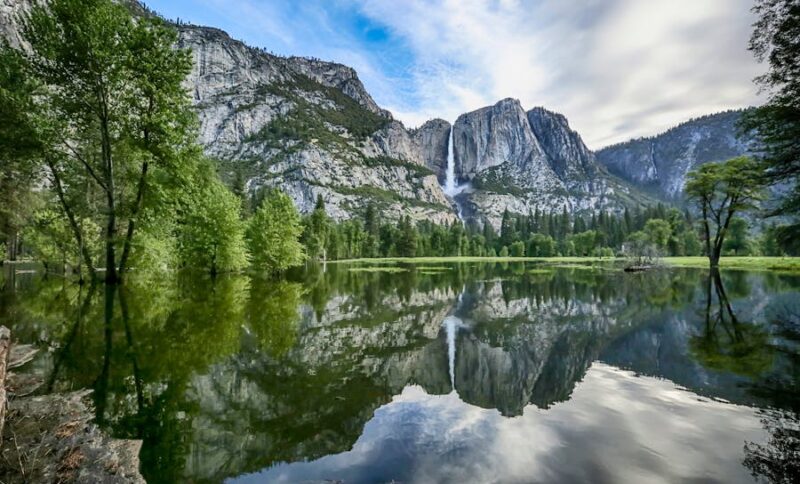
Fault-block mountains are formed when tectonic plates shift, causing the earth’s crust to crack and break apart. One side of the broken crust is pushed upward, while the other side drops down, resulting in the formation of a mountain range. The Sierra Nevada and the Tetons in the United States are examples of fault-block mountains.
Dome Mountains
Dome mountains are formed when molten rock rises from the earth’s mantle and collects beneath the earth’s crust. The accumulated magma pushes up the earth’s crust, creating a dome shape. The Black Hills in South Dakota and the Adirondack Mountains in New York are examples of dome mountains.
Volcanic Mountains
Volcanic mountains are formed when molten rock, ash, and gas escape from the earth’s mantle through a vent or fissure. The molten rock cools and hardens, forming a mountain. The Hawaiian Islands, Mount Fuji in Japan, and Mount St. Helens in the United States are examples of volcanic mountains.
Plateau Mountains

Plateau mountains are formed when large sections of the earth’s crust are lifted and tilted. The uplifted area forms a high plateau, which is then eroded to form steep-sided mountains. The Blue Mountains formation in Australia is an example of plateau mountains.
In conclusion, mountains are a natural wonder that has fascinated people for centuries. Each type of mountain has its unique geological features and formation process, making them a fascinating subject to study. Whether you are a seasoned mountaineer or a nature lover, exploring the various types of mountains around the world is an experience that will leave you in awe.