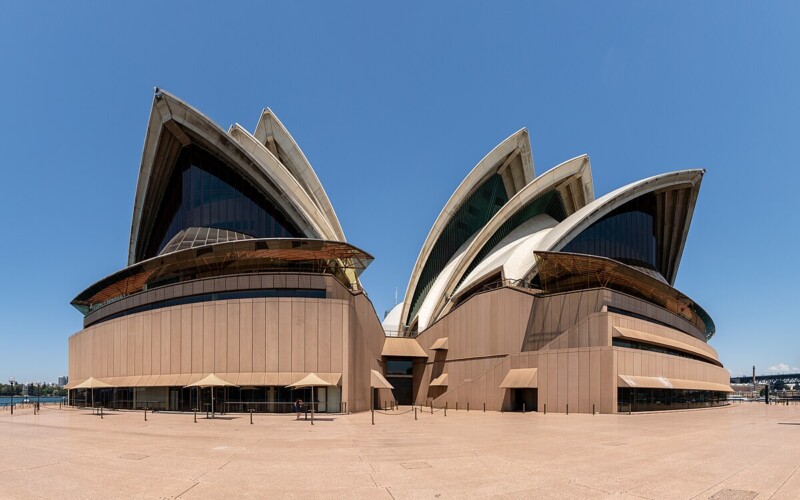
On 20 October 1973, the Sydney Opera House officially opened its doors to the world. Queen Elizabeth II presided over the grand ceremony, marking a momentous occasion for Australia’s cultural landscape. The iconic building‘s completion after 14 years of construction represented a turning point for the nation’s arts scene and architectural prowess.
The opening day was filled with excitement and spectacle. Crowds gathered to witness the Queen’s arrival and the unveiling of one of the 20th century’s most remarkable structures. Inside, the first performance in the newly minted Concert Hall featured Beethoven’s Symphony No. 9, setting the stage for decades of world-class performances to come.
While the opening was a joyous affair, it also marked the end of a controversial build plagued by delays and budget blowouts. The final cost of $102 million far exceeded initial estimates, yet the result was a building that would capture imaginations worldwide and become synonymous with Sydney itself. Today, 50 years on, the Opera House stands as a testament to Australia’s ambition and creativity, continuing to inspire visitors and performers alike.
Table of Contents
Historical Context and Design

The Sydney Opera House emerged from an international design competition that sparked architectural innovation. Its distinctive form was conceived by a Danish architect whose vision blended natural inspiration with modern engineering.
Competition and Selection of Jørn Utzon
In 1956, the New South Wales government launched an international competition to design a national opera house. The contest attracted 233 entries from 32 countries. Danish architect Jørn Utzon’s bold proposal stood out, winning first prize despite initial scepticism from some jury members.
Utzon’s design featured striking white shells reminiscent of sailboats on Sydney Harbour. His concept pushed the boundaries of architectural possibility, promising a landmark that would put Sydney on the world stage.
The selection of Utzon’s design marked the beginning of a challenging but transformative project for Australia’s cultural landscape.
Danish Architect Jørn Utzon’s Vision
Utzon drew inspiration from nature and ancient architecture for his groundbreaking design. The Opera House’s iconic shells echoed forms found in seashells, palm fronds, and Mayan temples.
His vision combined artistic flair with cutting-edge engineering. Utzon collaborated with structural engineers to realise the complex geometry of the roof shells, pioneering computer-aided design techniques in the process.
The interior spaces were equally innovative, with the Utzon Room showcasing the architect’s attention to detail and connection to the harbour setting. Despite Utzon’s departure from the project in 1966, his original concept remained the guiding force behind the Opera House’s completion in the 1970s.
Construction and Architecture
The Sydney Opera House’s construction was a monumental undertaking that pushed the boundaries of architectural design and engineering. Its iconic form and innovative solutions have secured its place as one of the world’s most recognisable buildings.
Challenges and Innovations
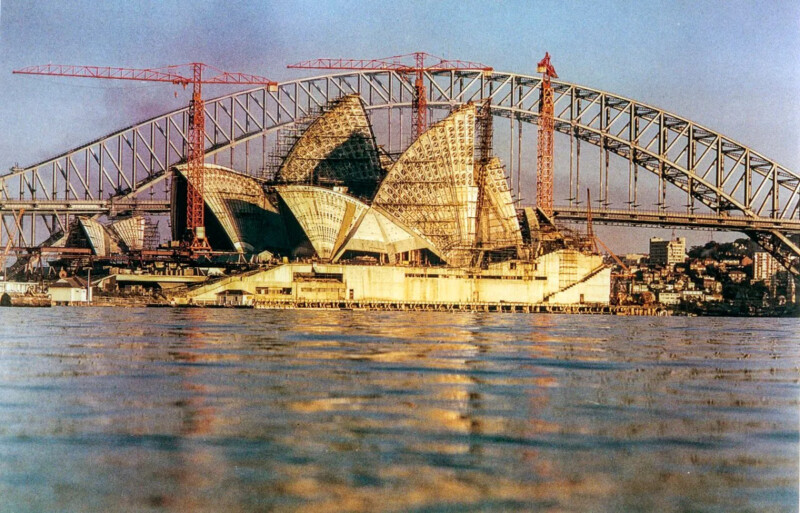
Construction kicked off on 2 March 1959 at Bennelong Point, but the project faced numerous hurdles. The Opera House’s complex geometry presented unprecedented challenges. Jørn Utzon’s visionary design called for precast concrete shells, which required novel engineering solutions. The team developed a spherical geometry approach, allowing the roof segments to be prefabricated off-site.
Builders used pioneering computer technology to calculate the precise dimensions of each shell segment. This innovation was crucial in realising Utzon’s ambitious vision. The construction process also saw the development of a special white concrete mix and custom-made tiles for the roof’s gleaming finish.
Architectural Significance
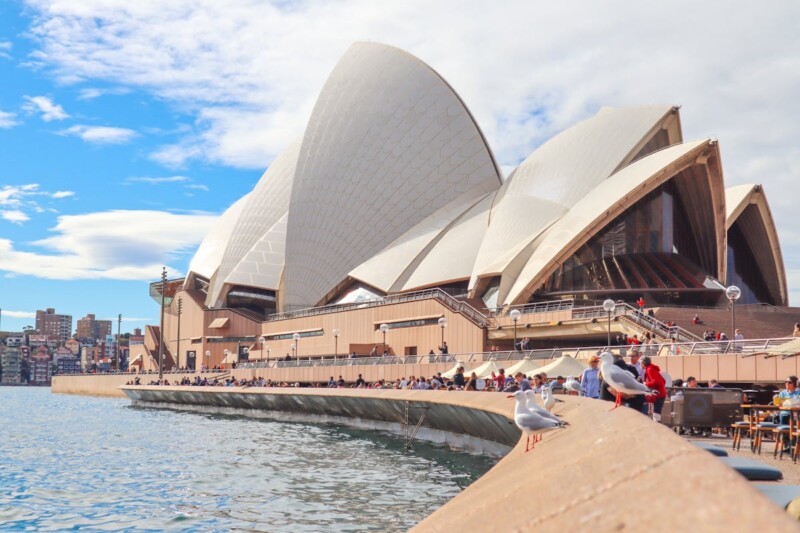
The Sydney Opera House stands as an icon of 20th-century architecture. Its sculptural form, inspired by natural elements like shells and sails, broke away from traditional building designs. Utzon’s innovative use of geometry created a structure that appears different from every angle, captivating viewers with its ever-changing silhouette.
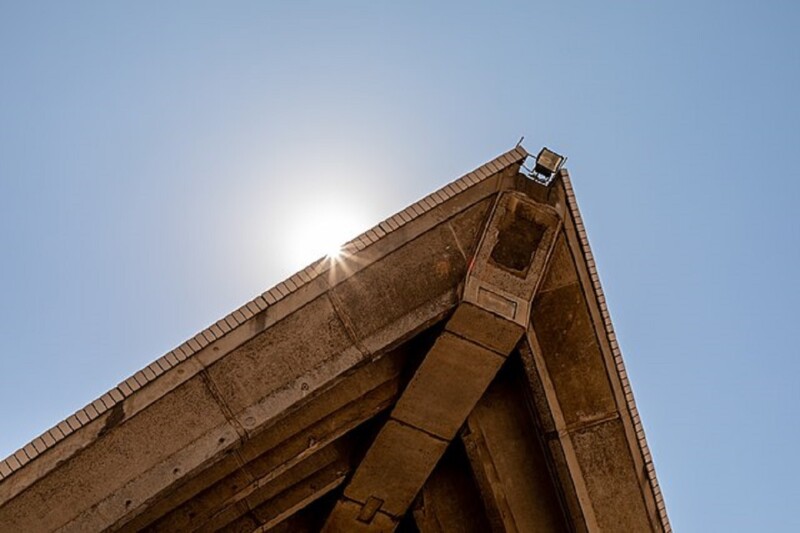
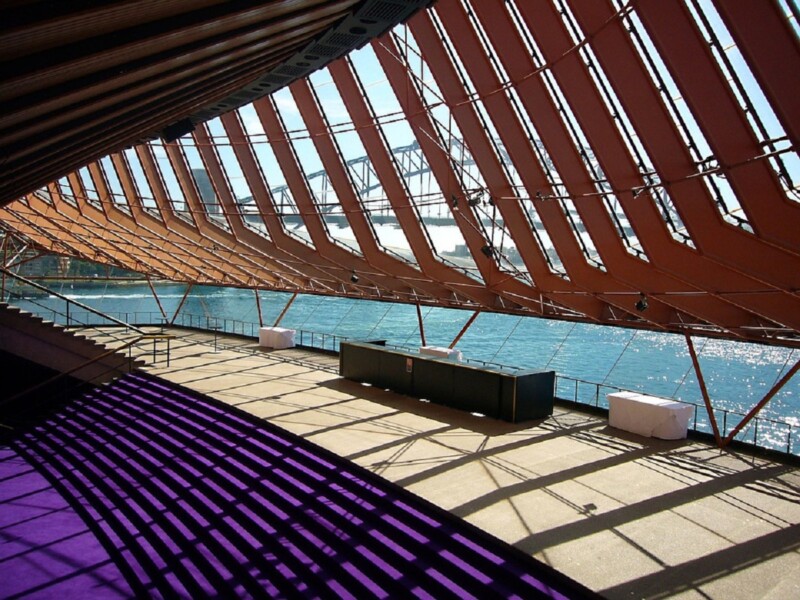
The building’s significance extends beyond its striking exterior. Its interiors showcase a masterful play of light, space, and materials. The exposed concrete beams and timber finishes reflect Utzon’s focus on honest expression of materials. After Utzon’s departure, Peter Hall took over the interior design, maintaining the project’s architectural integrity.
The Opera House’s design has influenced countless buildings worldwide. Its completion in 1973 marked a turning point in Australian architecture, putting Sydney on the global cultural map. Today, it remains a testament to human creativity and technological innovation.
Opening Ceremony

The Sydney Opera House’s grand opening on 20 October 1973 was a momentous occasion for Australia. It marked the culmination of years of construction and controversy, ushering in a new era for the arts in Sydney.
Queen Elizabeth II’s Inauguration
You’d have seen quite a spectacle if you’d been there on opening day. Queen Elizabeth II arrived to officiate the ceremony, greeted by large crowds lining the harbour. The Queen delivered a speech praising the building’s unique design and cultural significance. A flyover of helicopters and a procession of bands added to the pomp and ceremony.
The atmosphere was electric as 60,000 balloons were released into the sky. In a quintessentially Aussie touch, meat pies were served to the hungry masses. The Queen toured the building, marvelling at its striking interiors and acoustics.
First Performances and Public Reception
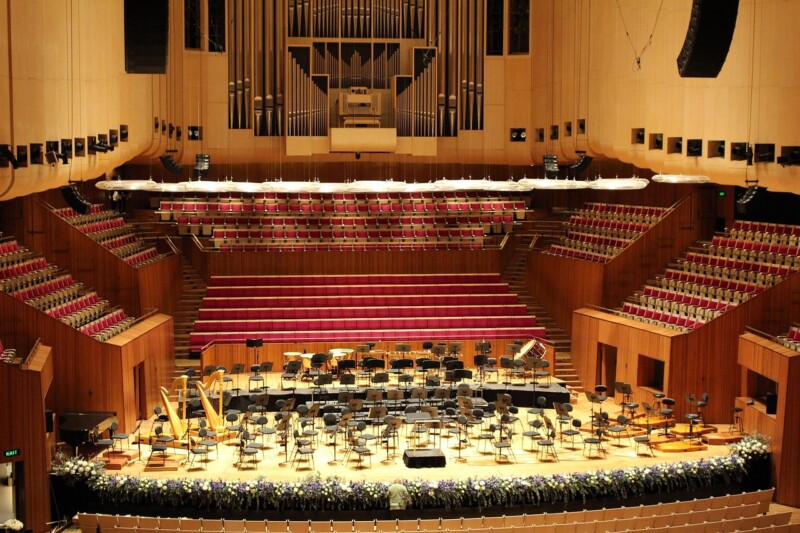
After the official opening, you’d have been treated to a series of inaugural performances. The Australian Opera and Sydney Symphony Orchestra took centre stage, showcasing the venue’s world-class facilities. The Concert Hall came alive with music, its 25,000 light bulbs illuminating the space.
Public reaction was overwhelmingly positive. Sydneysiders and visitors alike flocked to see the architectural marvel up close. The unique shell-like design quickly became an iconic symbol of the city.
Despite some initial acoustic issues in the Concert Hall, audiences were impressed by the quality of performances. The Opera House rapidly established itself as a premier venue for the performing arts in Australia.
Cultural Impact and Legacy
The Sydney Opera House’s opening marked a defining moment for Australian culture and the performing arts. Its iconic design and world-class facilities elevated Sydney’s status on the global stage.
Performing Arts Milestone
The Opera House revolutionised Australia’s cultural landscape. You’d be hard-pressed to find a more significant development in the nation’s performing arts history. Its multiple venues, including the Opera Theatre and Concert Hall, provided state-of-the-art spaces for diverse performances.
Australian artists gained a prestigious platform to showcase their talents alongside international stars. The acoustics and facilities were unparalleled in the country at the time.
By the 1980s, the Opera House had become the beating heart of Sydney’s cultural scene. It hosted over 3,000 events annually, drawing two million people each year.
Joan Sutherland’s Influence
Dame Joan Sutherland’s involvement was crucial to the Opera House’s early success. The renowned Australian soprano lent her star power and artistic vision to the fledgling institution.
Sutherland performed in the opening festival and continued to grace the Opera Theatre stage throughout her career. Her presence attracted opera lovers from around the world.
In 2012, the Opera Theatre was renamed the Joan Sutherland Theatre in her honour. This recognition cemented her legacy and the Opera House’s commitment to nurturing homegrown talent.
Sutherland’s influence extended beyond her performances. She helped shape the Opera House’s artistic direction and inspired a new generation of Australian opera singers.
Renovations and Namesakes
The Sydney Opera House has undergone several renovations and upgrades since its opening in 1973. These changes have honoured key figures involved in its creation and improved its functionality for modern audiences.
Upgrades to the Opera House
In recent years, the Sydney Opera House embarked on a major renewal project to modernise its facilities. This decade-long initiative, backed by nearly $300 million in NSW Government funding, aimed to enhance the iconic building for future generations.
Key upgrades included:
- Improved acoustics in the Concert Hall
- New rehearsal spaces and a creative learning centre
- Accessibility enhancements
- Upgraded theatre machinery and technology
These renovations have ensured the Opera House remains a world-class performing arts venue while preserving its architectural heritage.
The Utzon Room and Beyond

The Opera House has honoured its original architect, Jørn Utzon, through various tributes. The Utzon Room, formerly the Reception Hall, was renamed in 2004 to recognise his contributions. This intimate space features a tapestry designed by Utzon himself, depicting themes from his Opera House concept.
Other areas named after Utzon include:
- The Utzon Studio for emerging artists
- The Utzon’s Desk exhibition space
These namesakes serve as reminders of Utzon’s enduring vision for the Opera House, despite his controversial departure from the project in 1966.
The Peter Hall Period
After Utzon’s exit, Australian architect Peter Hall took over the Opera House’s completion. Hall faced the challenging task of interpreting Utzon’s designs and making them workable within budget constraints.
Hall’s contributions included:
- Finalising the interiors of major performance spaces
- Designing the iconic shell-tiled roof
- Overseeing the installation of technical systems
While Hall’s work was crucial in bringing the Opera House to fruition, his role has often been overshadowed by Utzon’s initial concept. Recent renovations have sought to balance recognition of both architects’ contributions to this architectural masterpiece.
Engagement and Accessibility
The Sydney Opera House has become a cultural hub, drawing millions of visitors and offering diverse programs to engage the community. Its iconic status and educational initiatives have made it accessible to people from all walks of life.
Annual Visitation
Each year, the Sydney Opera House welcomes over 10 million visitors. Tourists flock to admire its unique architecture and capture photos on the steps. Locals and visitors alike attend performances, with over 1,800 shows staged annually across multiple venues.
The building offers guided tours in several languages, allowing you to explore its history and inner workings. You can also enjoy the outdoor areas, including the forecourt and surrounding parklands, free of charge.
Community and Educational Programmes
The Opera House runs a variety of programs to engage the wider community. School excursions give students hands-on experiences in performance and production. You can participate in workshops, lectures, and backstage tours to deepen your understanding of the arts.
Digital initiatives have expanded the Opera House’s reach. You can now access live-streamed performances and virtual tours from anywhere in Australia or overseas. This approach has made the venue more accessible to those in regional areas or with mobility limitations.
The venue also hosts free outdoor concerts and festivals throughout the year. These events celebrate diverse cultures and art forms, ensuring the Opera House remains a place for all Australians to enjoy.