Nestled along the picturesque shores of Sydney Harbour, the Royal Botanic Garden Sydney is a treasure trove of natural beauty and history. One of Australia’s most cherished landmarks, it is famous for being the oldest botanic garden in the country, established way back in 1816. The garden spans over 30 hectares, offering an oasis of tranquillity amidst the bustling Sydney cityscape.
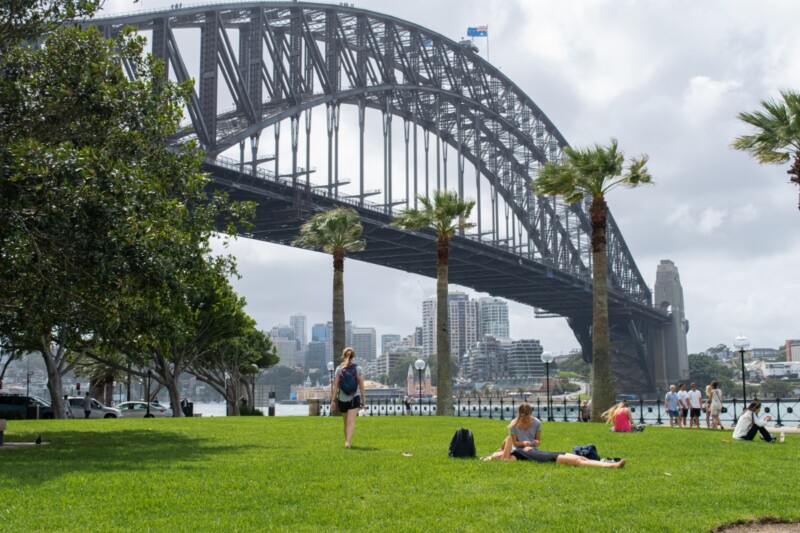
As you wander through its expansive grounds, you’ll come across themed plant areas, vibrant horticultural displays, and the captivating Cadi Jam Ora storyline that honours First Nations culture. The Royal Botanic Garden Sydney is also renowned for its spectacular location, providing breathtaking views of Sydney Harbour, making it a favourite spot for both locals and tourists alike.
Whether you’re joining a guided tour, attending a cultural event, or simply taking a leisurely stroll, the garden offers endless opportunities for exploration and relaxation. From the iconic Spring Walk to the diverse flora and fauna on display, there’s always something new to discover in this verdant sanctuary.
Table of Contents
History and Significance
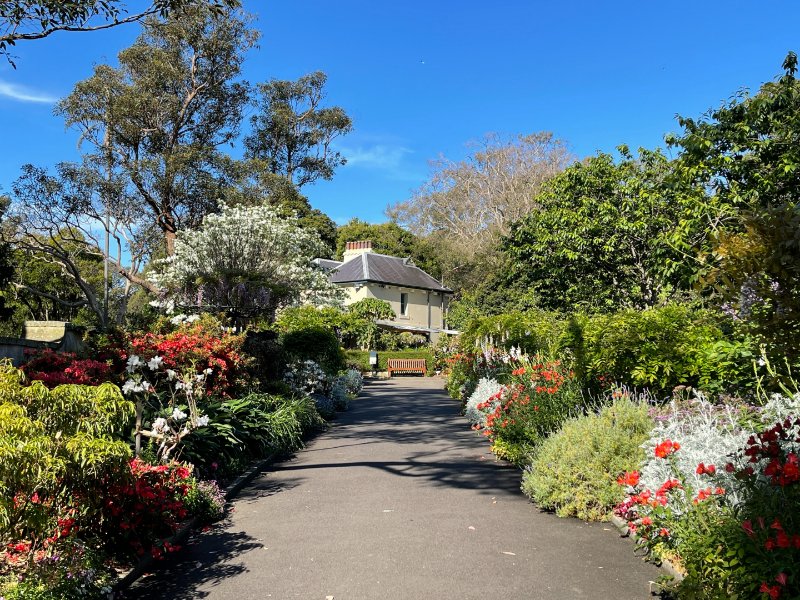
The Royal Botanic Garden Sydney is renowned for its historical importance and its status as a premier scientific institution. You’ll discover the fascinating story of its founding as well as significant events that have shaped its development.
Founding of the Garden
The Royal Botanic Garden Sydney was established in 1816, making it the oldest botanic garden in Australia. Situated near Sydney Harbour, it initially served both aesthetic and scientific purposes. Governor Lachlan Macquarie played a pivotal role in its creation, envisioning a public garden that would also support botanical research.
The garden started as a site for cultivating native and exotic plants essential for the colony’s survival. Over time, it expanded to become one of Australia’s most important scientific institutions. It remains a cornerstone in the study of botany and horticulture.
Historic Events and Developments
Several key events have marked the garden’s evolution. In 1856, the appointment of Charles Moore as Director heralded a new era of innovation and growth. His tenure saw the introduction of many plant species and the implementation of strategic landscaping.
1959 was another landmark year when it received its “Royal” designation, elevating its status further. The garden has also hosted numerous significant events, serving as a backdrop for royal visits, public celebrations, and scientific gatherings.
Its commitment to education and public engagement continues, making it not just a site of natural beauty, but a living museum of botanical heritage. Throughout its history, the garden has been a hub for scientific research, contributing significantly to the understanding of plant species in Australia and beyond.
Flora and Gardens
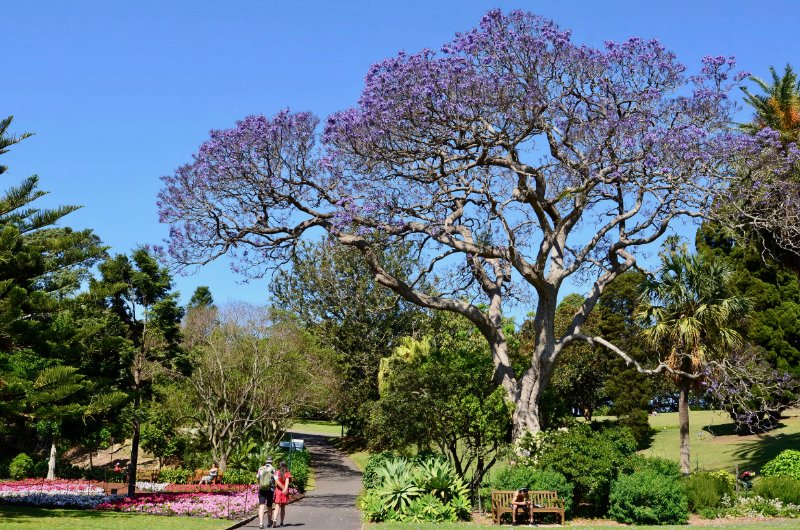
The Royal Botanic Garden Sydney, established in 1816, boasts a diverse array of plant life, from native Australian species to exotic and tropical plants. This section explores the variety of flora you can expect to see, organised into native plants and trees, exotic and tropical species, and specialised collections.
Native Plants and Trees
The garden is home to numerous native plants and trees that reflect Australia’s rich botanical heritage.
Iconic species include the Brachychiton rupestris (bottle tree) and Idiospermum australiense, a rare plant native to Queensland. Walking through the gardens, you’ll encounter Eucalyptus trees and Acacia species, showcasing the unique flora that defines Australia’s landscape.
The Spitting Tree (Anneslea fragrans), part of the native collection, attracts significant interest for its unusual characteristics. The native gardens serve as a vital conservation effort, preserving plant species that are increasingly threatened by urbanization and climate change.
Exotic and Tropical Species
The garden also features an impressive collection of exotic and tropical plants from around the world, cultivated to thrive in Sydney’s climate.
Highlights include the Palm Grove, where towering palms create a lush, shaded oasis. The Oriental Garden introduces visitors to flora from East Asia, with manicured landscapes and rare plant species.
You’ll find the spectacular Rose Garden, filled with diverse rose varieties that bloom in brilliant colours.
Furthermore, the Succulent Garden offers a visually striking collection of drought-resistant plants from arid regions, showcasing the adaptability and variety of plant life.
Specialised Collections
Beyond the native and exotic plants, the garden hosts several specialised collections that cater to specific interests.
The Herb Garden is a treasure trove of medicinal and culinary herbs, providing insights into their historical uses and benefits. The Fernery is yet another highlight, featuring a wide range of ferns that thrive in shaded, humid environments, creating a serene retreat within the bustling city.
These specialised collections not only engage plant enthusiasts but also offer educational opportunities for visitors of all ages, making the Royal Botanic Garden Sydney a place where biodiversity and history come alive.
Scientific Research and Conservation

The Royal Botanic Garden Sydney is pivotal in scientific research and conservation, focusing on the preservation and understanding of native species. This section explores the National Herbarium of New South Wales, scientific studies and projects, and conservation efforts undertaken by the Garden.
National Herbarium of New South Wales
The National Herbarium of New South Wales is a cornerstone of the Royal Botanic Garden Sydney. Housing over 1.2 million plant specimens, it plays a crucial role in biodiversity research. The herbarium’s extensive collection includes rare and endangered species, offering invaluable resources for scientists worldwide.
This institution supports various research programmes, aiding in the discovery and classification of new species. The herbarium also provides essential data for ecosystem management and conservation strategies. Furthermore, it collaborates with global botanical institutions, enhancing its role in international plant science.
Scientific Studies and Projects
At the Royal Botanic Garden Sydney, scientific studies are diverse and robust. Researchers focus on various areas, including plant taxonomy, ecology, and physiology. One notable project is the conservation of the Wollemi Pine (Wollemia nobilis), a critically endangered species discovered in 1994.
This project aims to study the pine’s growth patterns, genetic diversity, and ecological requirements. Another key area of research involves examining the impacts of climate change on native flora. The Garden’s scientists utilize cutting-edge technology to monitor environmental changes, predict future trends, and develop sustainable conservation practices.
Conservation Efforts
Conservation efforts at the Royal Botanic Garden Sydney are aimed at preserving Australia’s unique plant heritage. The Garden implements ex-situ conservation techniques, including seed banking and living collections, to safeguard threatened species. Through its Seed Bank, the Garden ensures the survival of plants at risk of extinction.
Additionally, active restoration projects help rehabilitate degraded natural habitats. Community engagement is also a priority, with educational programmes designed to raise awareness about conservation. Public participation in citizen science projects fosters a greater connection to the environment and supports ongoing conservation initiatives.
By combining rigorous scientific research with practical conservation strategies, the Royal Botanic Garden Sydney plays a vital role in preserving Australia’s botanical biodiversity.
Education and Learning Opportunities
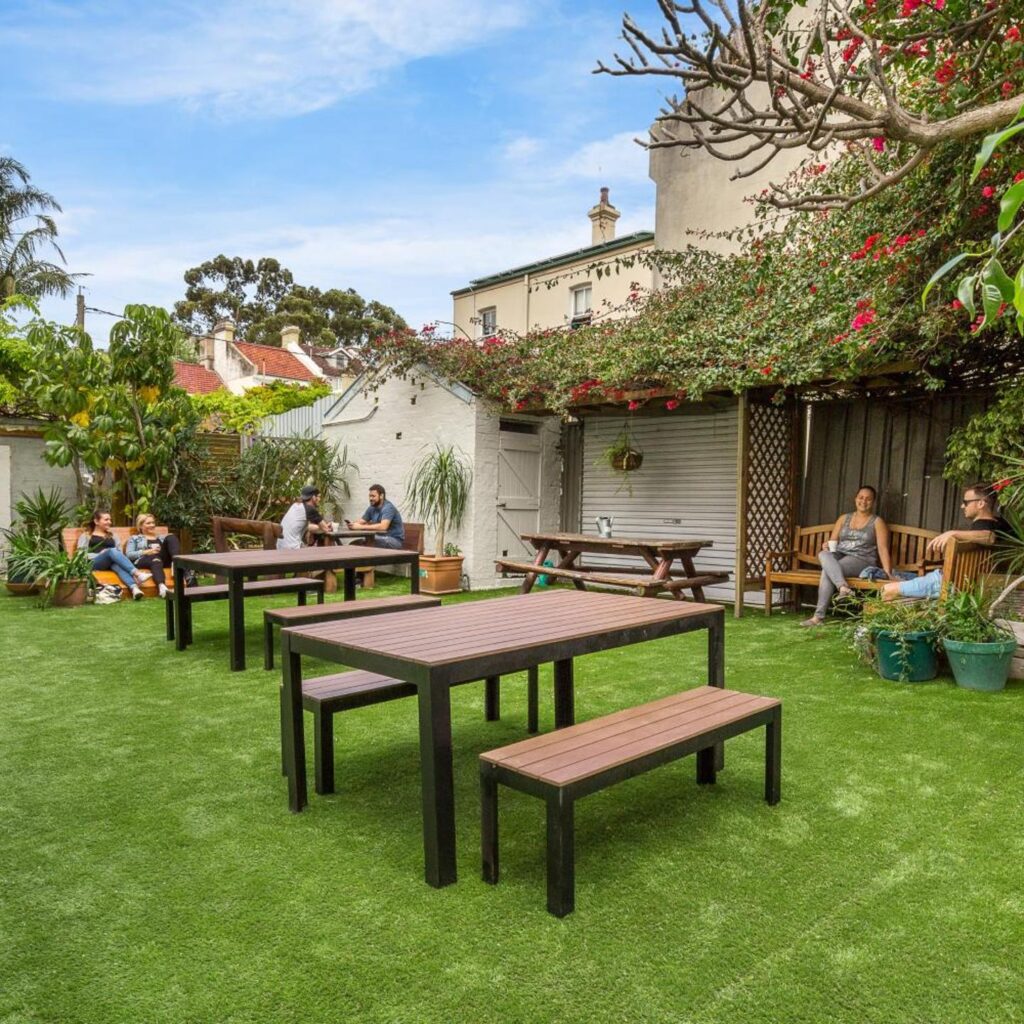
The Royal Botanic Garden Sydney offers numerous ways for visitors to learn and engage through interactive experiences and hands-on activities. It provides workshops, guided tours, and volunteer programs that help foster a deeper connection to nature.
Workshops and Tours
The Royal Botanic Garden Sydney delivers a wide range of workshops and tours tailored for different interests and age groups. Educational workshops often include topics such as native plants, sustainable gardening, and botanical art. Highly skilled educators and tour guides lead these sessions, ensuring that participants gain valuable insights.
The Gardens offer guided tours that explore various themes including the history of the gardens, indigenous plants, and the latest scientific research. These tours are designed to be engaging and educational, making them suitable for school trips, family outings, or individual learning experiences.
Additionally, specialised talks and lecture series are frequently scheduled, providing in-depth knowledge about specific aspects of horticulture and conservation.
Volunteer Programs
Volunteer programs at the Royal Botanic Garden Sydney give you the chance to be actively involved in the conservation and upkeep of this iconic site. As a volunteer, you can participate in activities such as guided tours, educational workshops, and garden maintenance, helping visitors learn more about the environment.
Membership in these programs often includes training sessions that equip volunteers with the expertise needed to assist with public education and support the garden’s numerous events.
Mentorship opportunities are also available. Experienced volunteers guide newer members, ensuring that all participants can contribute meaningfully. Becoming a volunteer can be a rewarding experience for anyone looking to support the Gardens and its mission while learning more about botany and horticulture.
Visitor Experience

Exploring the Royal Botanic Garden Sydney offers a range of engaging experiences. From diverse events and activities to specialised attractions like The Calyx, there is something for everyone.
Events and Activities
The Royal Botanic Garden Sydney hosts a variety of events and activities throughout the year. Guided walks are popular, allowing you to discover the flora with insights from knowledgeable guides. Family-friendly events such as seasonal festivals and workshops engage visitors of all ages.
For a unique experience, Garden Explorer tours provide a narrated ride through the garden. Regularly scheduled activities also include yoga sessions and art classes, ensuring there’s always something new to enjoy. Picnic spots with views of Sydney Harbour make for a delightful day out.
The Calyx
The Calyx is a must-visit within the Royal Botanic Garden. It features rotating exhibitions that showcase stunning floral displays and educate visitors about various plant species. A recent exhibition called “Plants With Bite” focused on carnivorous plants, fascinating visitors with its interactive displays.
The structure itself is an architectural marvel with a living green wall that stands over six metres tall and extends for 50 metres. The Calyx also hosts regular talks and workshops, enhancing your visit with educational and entertaining presentations.
Amenities and Accessibility
Ensuring a comfortable visit, the garden includes essential amenities such as clean restrooms, a cafeteria, and wheelchair access. Paths are well-maintained, accommodating strollers and mobility aids to guarantee accessibility for all visitors.
Free Wi-Fi is available, making it convenient to navigate using online maps or share your experience. For those relying on public transport, several nearby bus stops and train stations facilitate easy access. Parking options are provided, but can be limited during peak times, so planning ahead is advisable.
Whether you’re seeking leisure, learning, or simply a lovely day outdoors, the Royal Botanic Garden Sydney offers facilities and activities that cater to diverse needs and interests.
Location and Access

Located in the heart of Sydney, New South Wales, the Royal Botanic Garden Sydney offers stunning views of Sydney Harbour and nearby landmarks. Convenient access and nearby attractions make it an ideal spot for both locals and tourists.
Getting to the Garden
You have several options for reaching the Royal Botanic Garden Sydney. Train is a popular choice, with St James, Martin Place, and Circular Quay stations all about a 10-minute walk from the garden. These stations connect directly to the Sydney central business district, making it a convenient option.
For a more scenic route, ferries to Circular Quay are available. The wharves are also a 10-minute walk from the garden, providing a picturesque approach along the waterfront. Bus routes also serve the area, with various stops close to the garden’s entrances. For those driving, limited parking is available nearby, with additional parking facilities within the Sydney central business district.
Nearby Attractions and Accommodations
The Royal Botanic Garden Sydney is surrounded by a variety of attractions. Sydney Opera House and the Sydney Harbour Bridge are within walking distance, making it easy to include the garden in a day of sightseeing. The nearby Circular Quay area offers numerous dining and shopping options, adding to the convenience.
Accommodation is plentiful in the Sydney central business district, ranging from luxurious hotels to budget-friendly options. Staying in this area ensures you are close to the garden as well as other major attractions. Additionally, several boutique accommodations in the nearby Potts Point and The Rocks areas provide unique lodging experiences.
Seasonal Highlights and Monthly Events
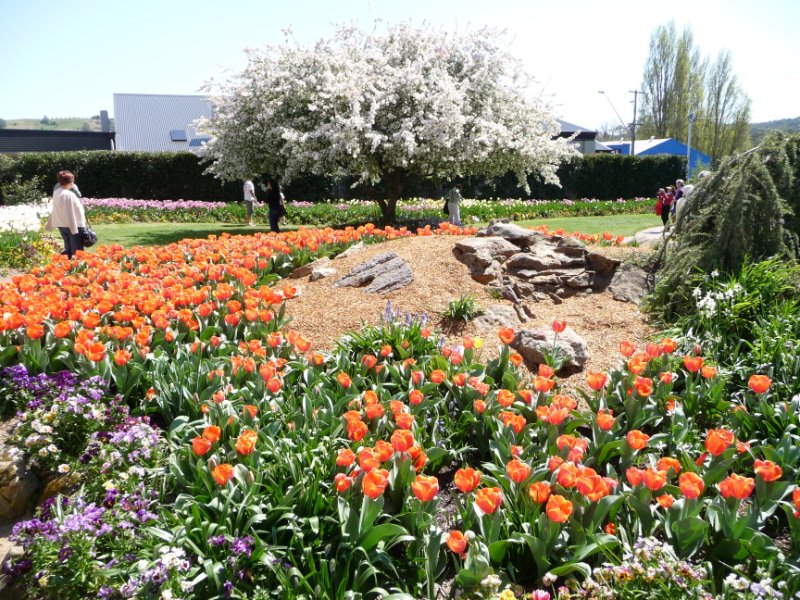
The Royal Botanic Garden Sydney offers an array of fascinating seasonal highlights and monthly events that showcase its rich botanical heritage and stunning landscapes. Visitors can enjoy spring blooms bursting with colour or engage in winter activities designed to educate and entertain.
Spring Blooms and Festivities
Spring, especially from September to November, transforms the Royal Botanic Garden into a vibrant canvas of colours. One key highlight is the Spring Walk, an explosion of tulips, daffodils, and other spring flowers that have captivated visitors for years.
In October, the garden hosts various cultural festivals celebrating the blooming season. Themed plant areas like the Wildflower Meadow put on an impressive display, attracting not just nature enthusiasts but photographers as well.
Special tours are available to introduce you to horticultural plant displays in the Calyx, offering a deeper appreciation of the flora in bloom. These tours often shed light on the history and significance of various plants, making them educational and enjoyable.
Winter Displays and Activities
During winter, from June to August, the Royal Botanic Garden switches gears to offer a different type of beauty and activities. The Fernery becomes a major attraction, showcasing ferns and other shade-loving plants that thrive in cooler climates.
June is a great time for community events, such as guided walks focusing on winter plant species and their adaptations. July often features temporary art installations and light exhibitions that contrast the natural environment, offering a unique viewing experience.
Educational workshops are also popular, covering topics from botanical art to gardening techniques. These activities not only keep you engaged but also provide knowledge about maintaining your own garden, even in winter.
Support and Membership
Supporting the Royal Botanic Garden Sydney can be done through various membership options or by becoming a corporate partner. These avenues not only benefit you with exclusive perks but also ensure the ongoing preservation and enhancement of this iconic garden.
Becoming a Member or Donor
By becoming a member, you can enjoy special access and benefits. Household memberships cover two adults and their children for a fee of $110, providing two membership cards. If you’re a concession cardholder, you can obtain a Household Concession membership for $90. Individual memberships are essential once a family member turns 16.
Aside from membership, you can also support the garden as a donor. Contributions help fund essential projects and research, maintaining the garden’s lush greenery and diverse plant collections. Your donations are crucial for both preserving historical elements and integrating innovative horticultural practices.
Corporate Partnerships and Sponsorships
Businesses can form valuable partnerships with the Royal Botanic Garden Sydney through various sponsorship opportunities. Corporate partners gain significant exposure and align their brand with one of Australia’s most beloved landmarks. Options for partnership include sponsoring events, garden sections, or educational programs.
Sponsorship benefits often include brand visibility at events and in promotional materials, exclusive use of garden spaces for corporate events, and the opportunity to engage with the garden’s extensive visitor base. These collaborations ensure corporate support for preservation efforts while enhancing a company’s community presence.
The Future of the Royal Botanic Garden Sydney
The Royal Botanic Garden Sydney is continually evolving to remain a hub of heritage and nature. As you stroll through its vast 30-hectare expanse, you can see the seamless blend of history and progressive botanical research.
One major initiative is the enhancement of its sustainability efforts. The garden aims to promote sustainable practices and serve as a model for ecological preservation. This includes new eco-friendly designs and advanced irrigation systems to conserve water.
Another exciting venture is the expansion of digital experiences. You’ll find interactive installations and augmented reality tours that provide deeper insights into the flora and fauna. These innovations aim to make your visit more engaging and educational.
The preservation of the garden’s rich heritage is always a priority. Ongoing restoration projects ensure that historical elements like the National Herbarium of New South Wales and the Daniel Solander Library are maintained for future generations.
Expect to see increased community involvement. The garden plans to host more educational programs and workshops to foster a greater connection with nature among people of all ages.
The Royal Botanic Garden Sydney is also set to play a significant role in international botanical research. Collaborations with global institutions will bring new plant species and share knowledge crucial for conservation efforts.
With these forward-thinking initiatives, the Royal Botanic Garden Sydney continues to be a vital, living tribute to our commitment to heritage, sustainability, and community.
Leave a Reply